
Design & Production
Many decades ago, I was a young jewelry designer in search of the perfect clasp. When I could not find one, I decided to design some myself. I engaged talented silversmiths in Bali who were still fluent in ancient methods of handmade silverwork. The business flourished and I eventually set up my own production facility to specialize in silver charms, findings and jewelry. As my business evolved, I expanded our design options by forming partnerships with casting facilities in Thailand and Bali that produce high quality, hand finished products.
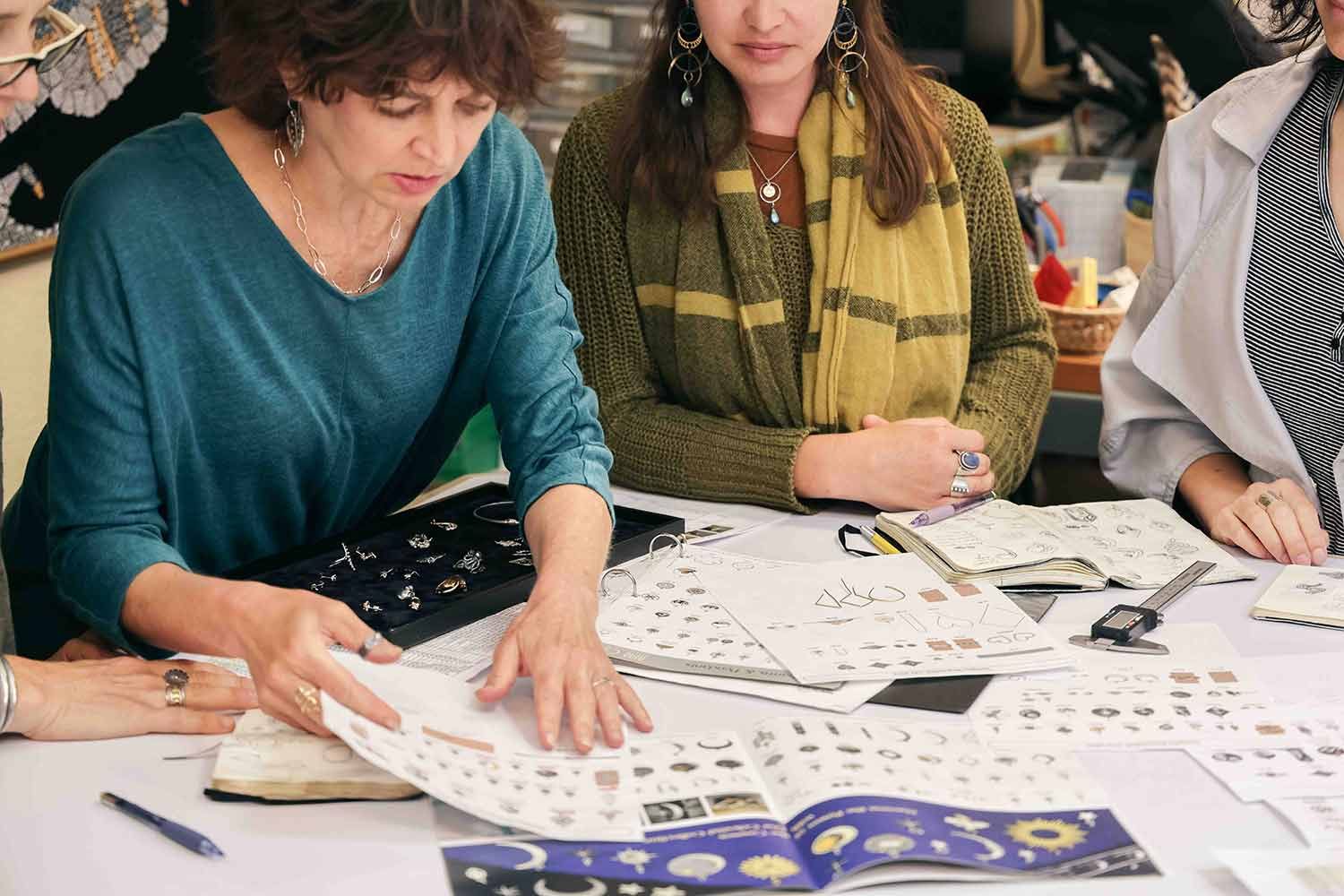
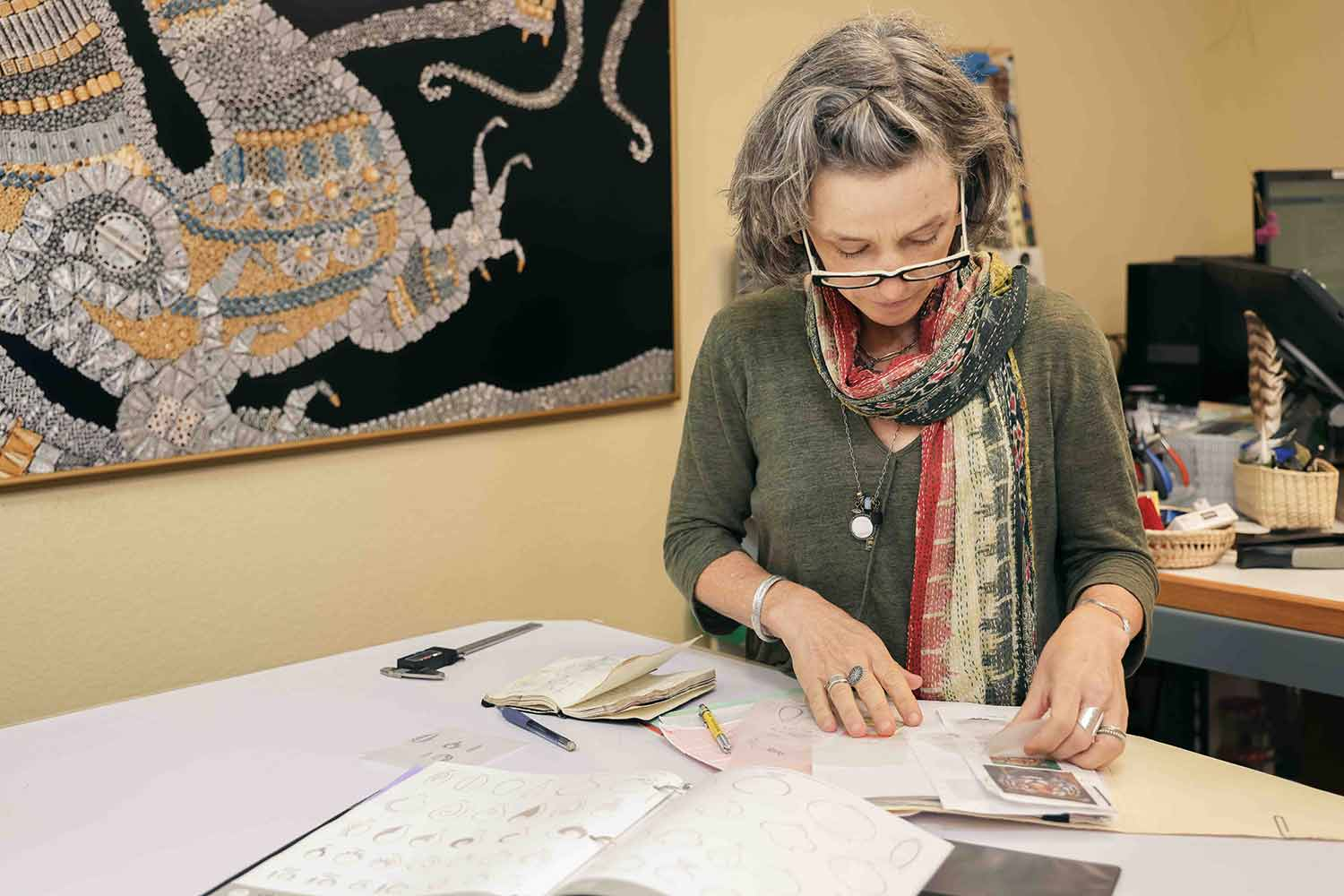
Over time, I assembled a talented design team. We monitor sales, fashion trends, and production innovations to inform our new designs. Inspiration flows from many sources. We often discover the need for a new component while creating our own jewelry. Other times, we draw on elements from the natural world, magical symbols, historical designs, classic or geometric forms. We strive to provide enticing designs for a wide range of aesthetic tastes. -Nina
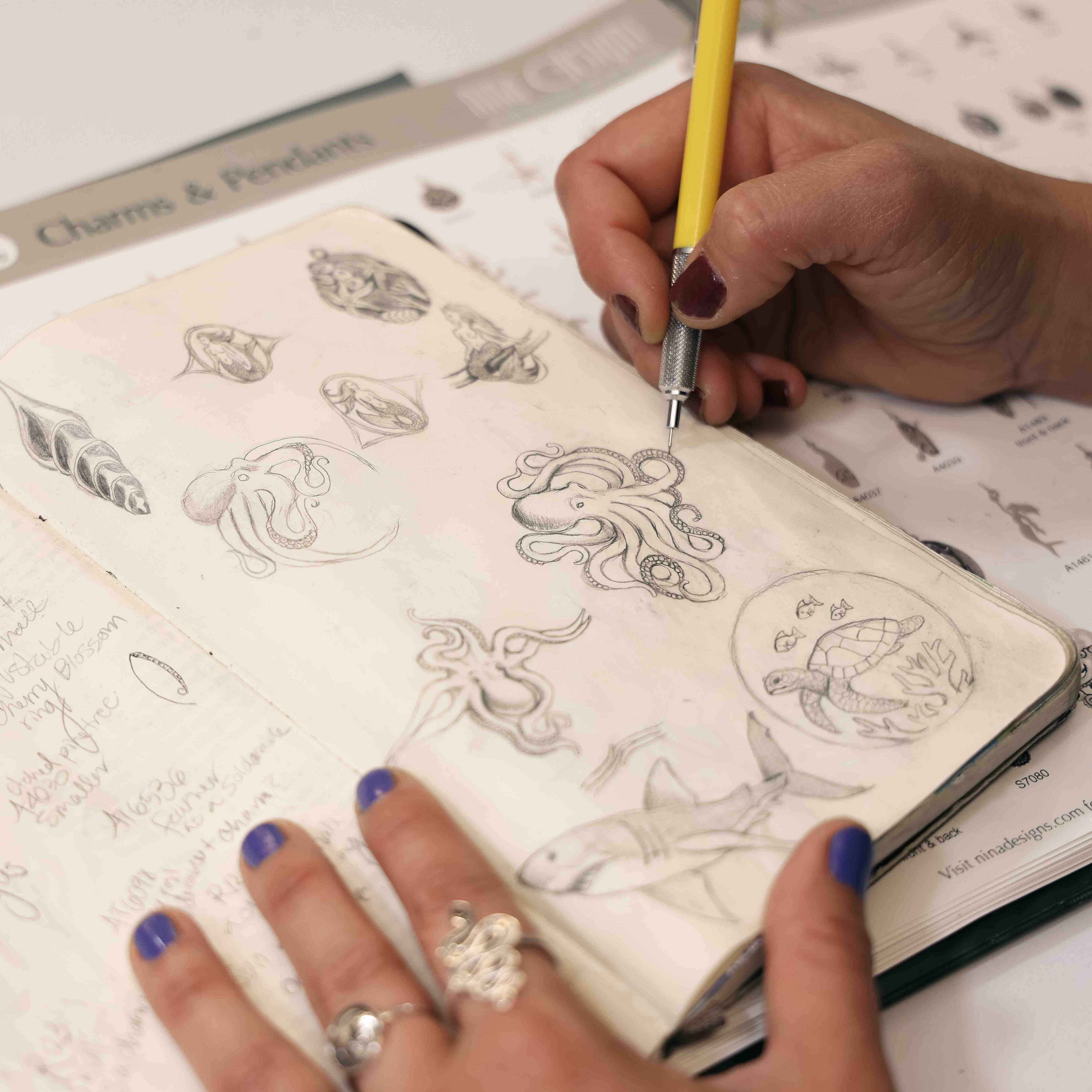
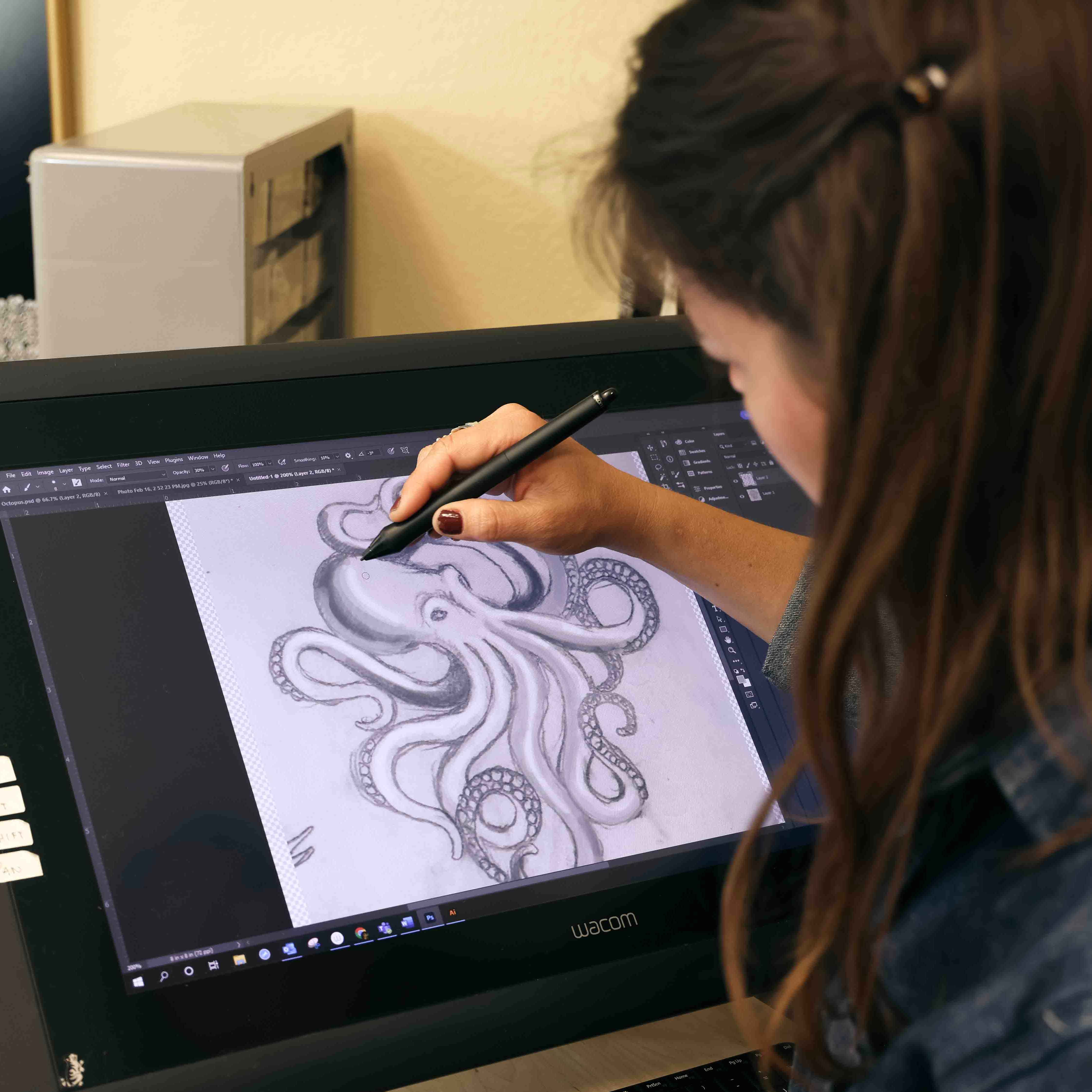
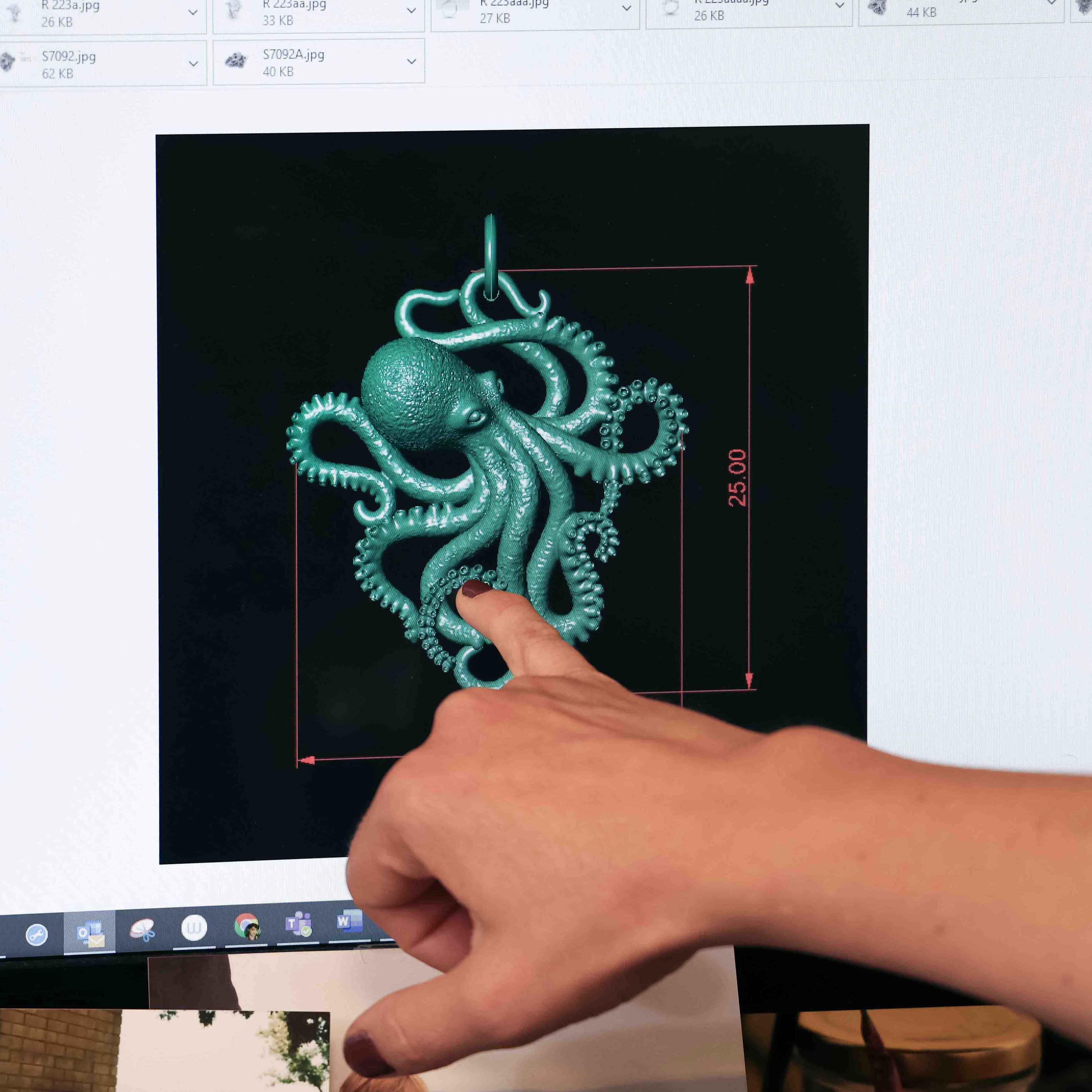
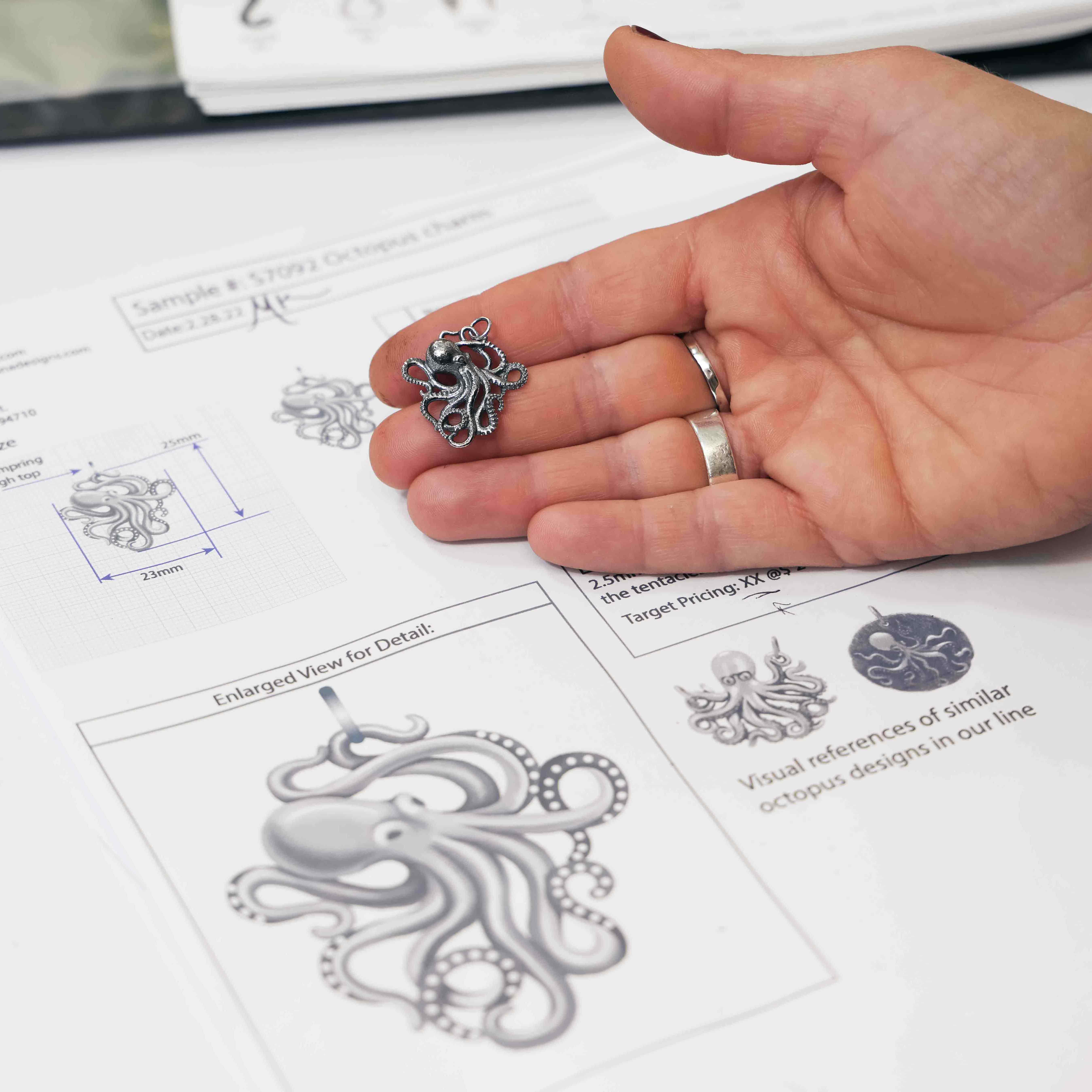
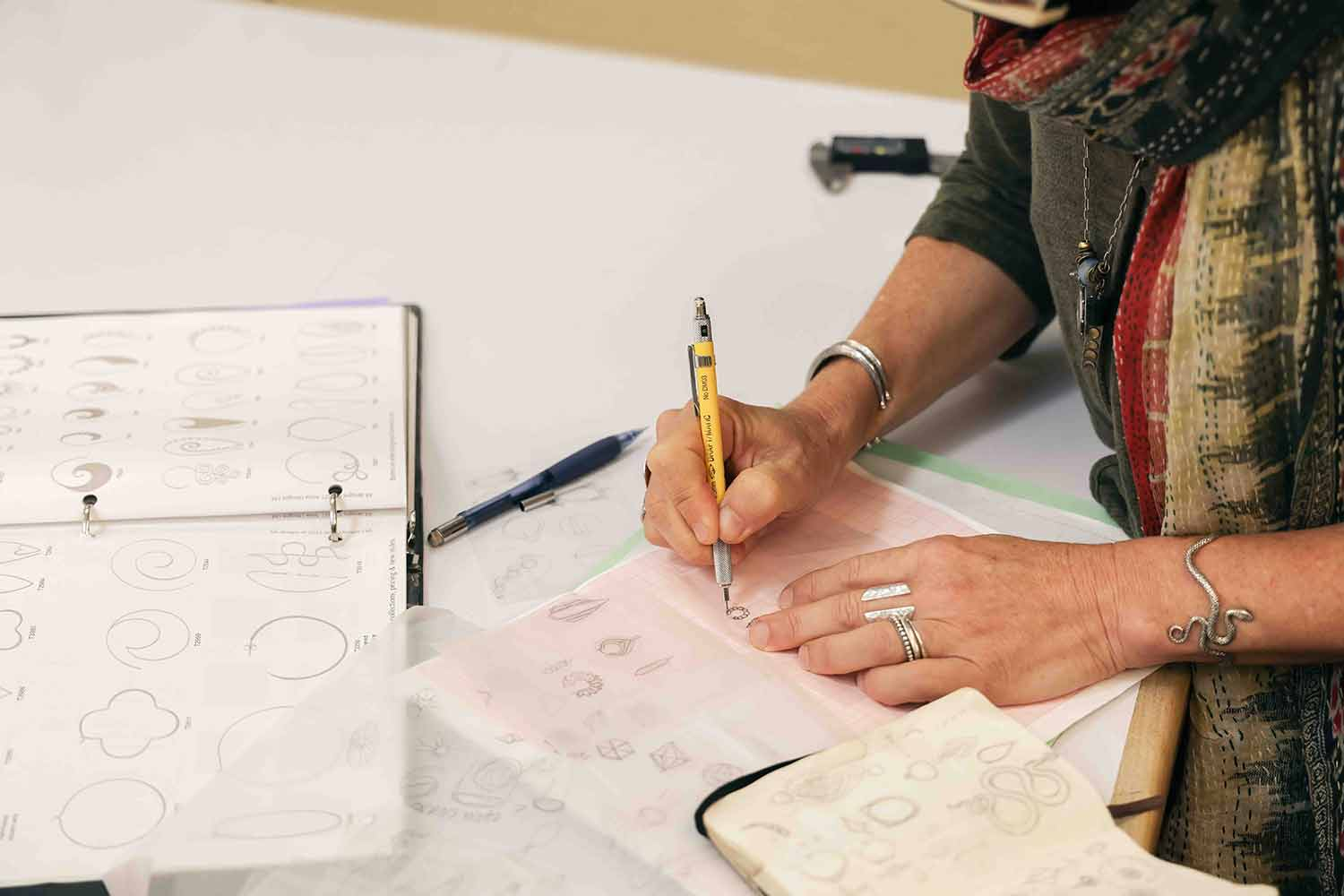
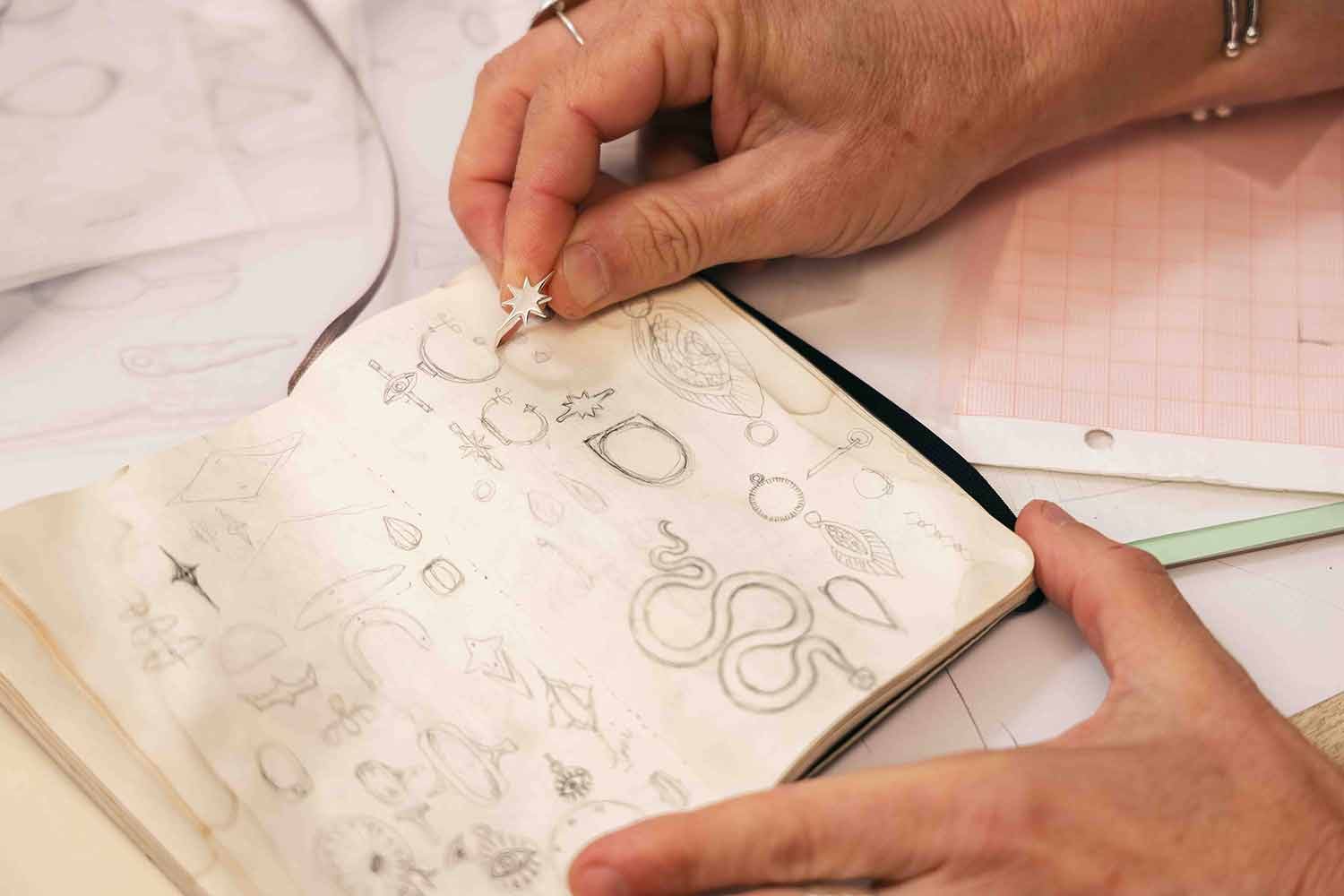
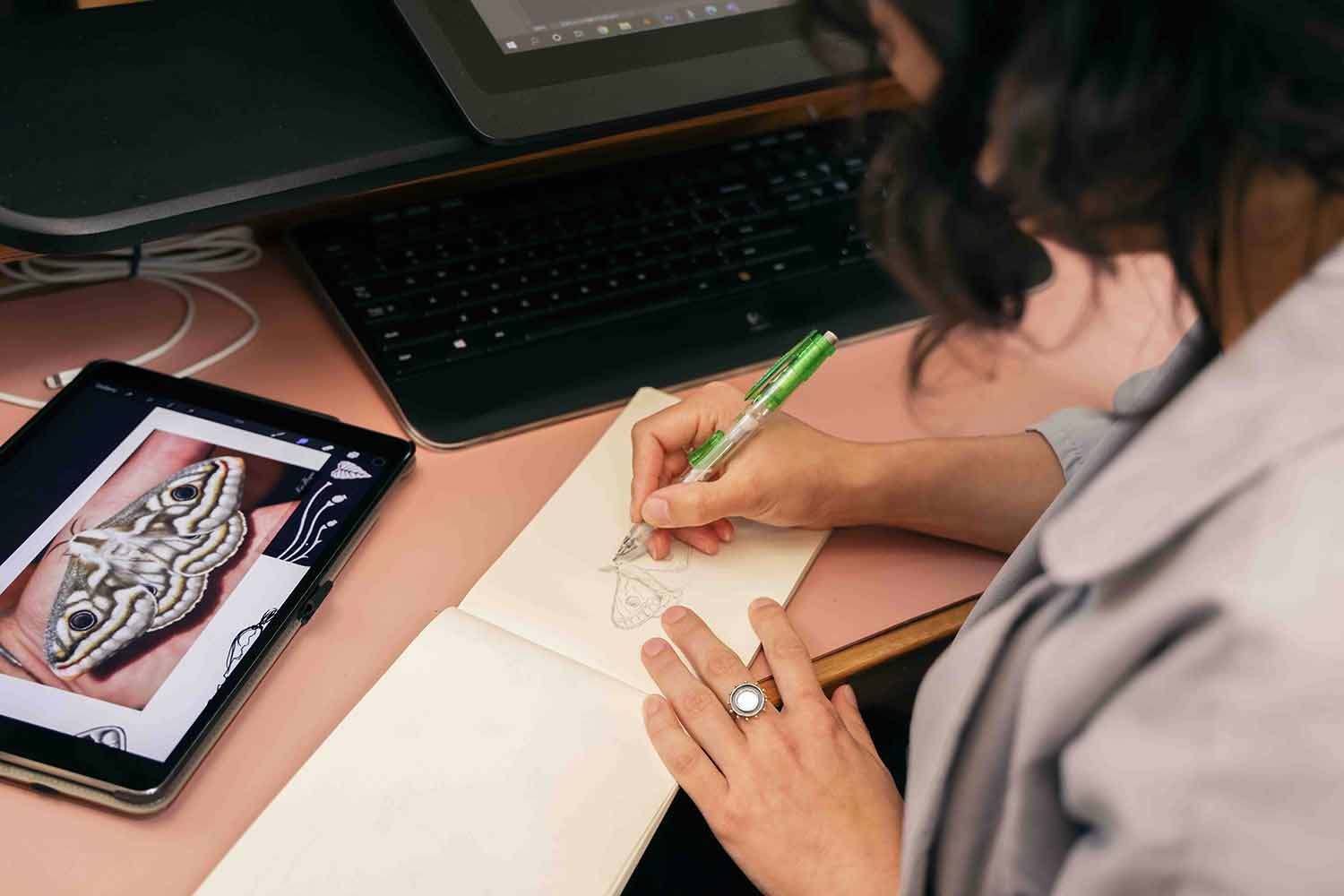
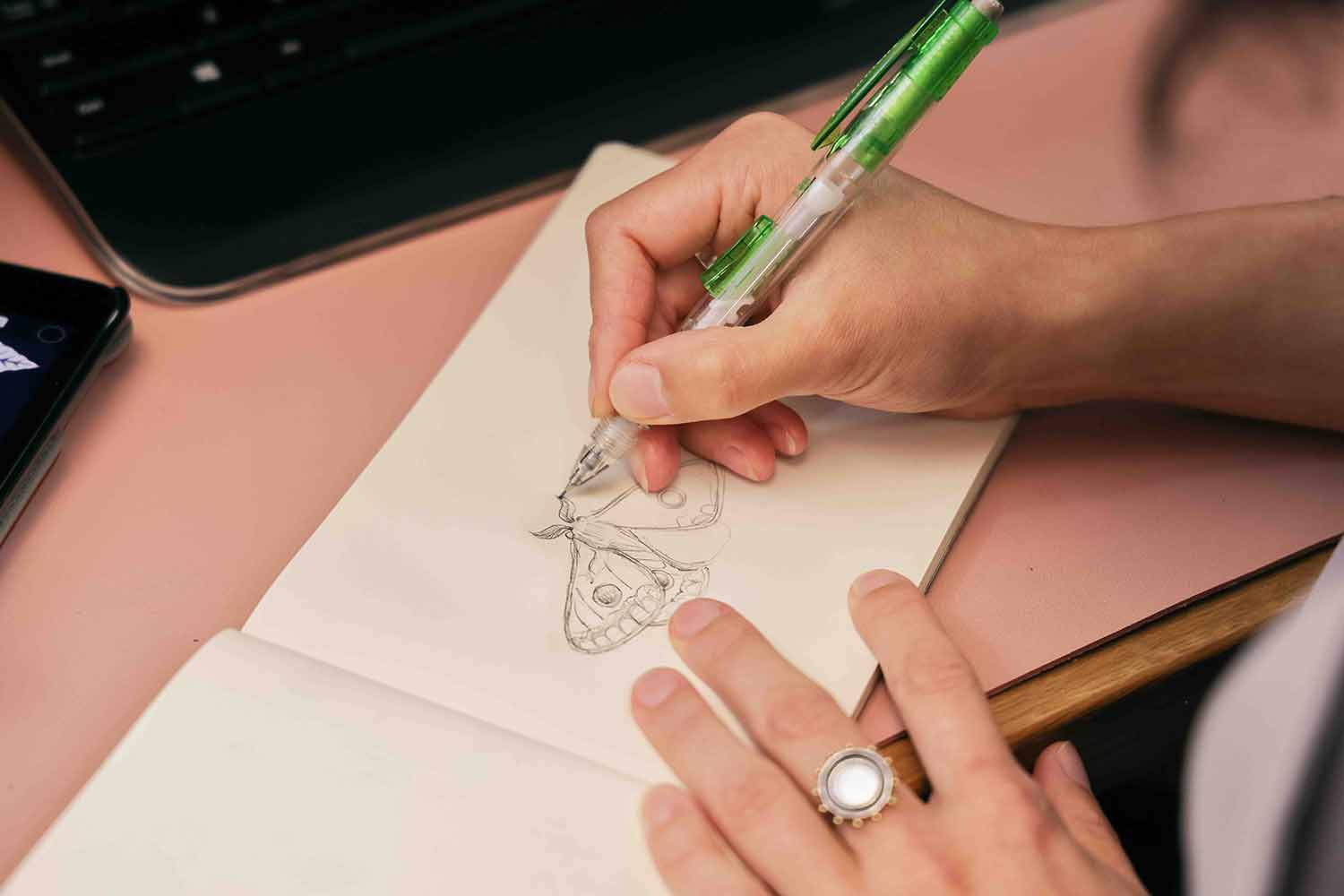
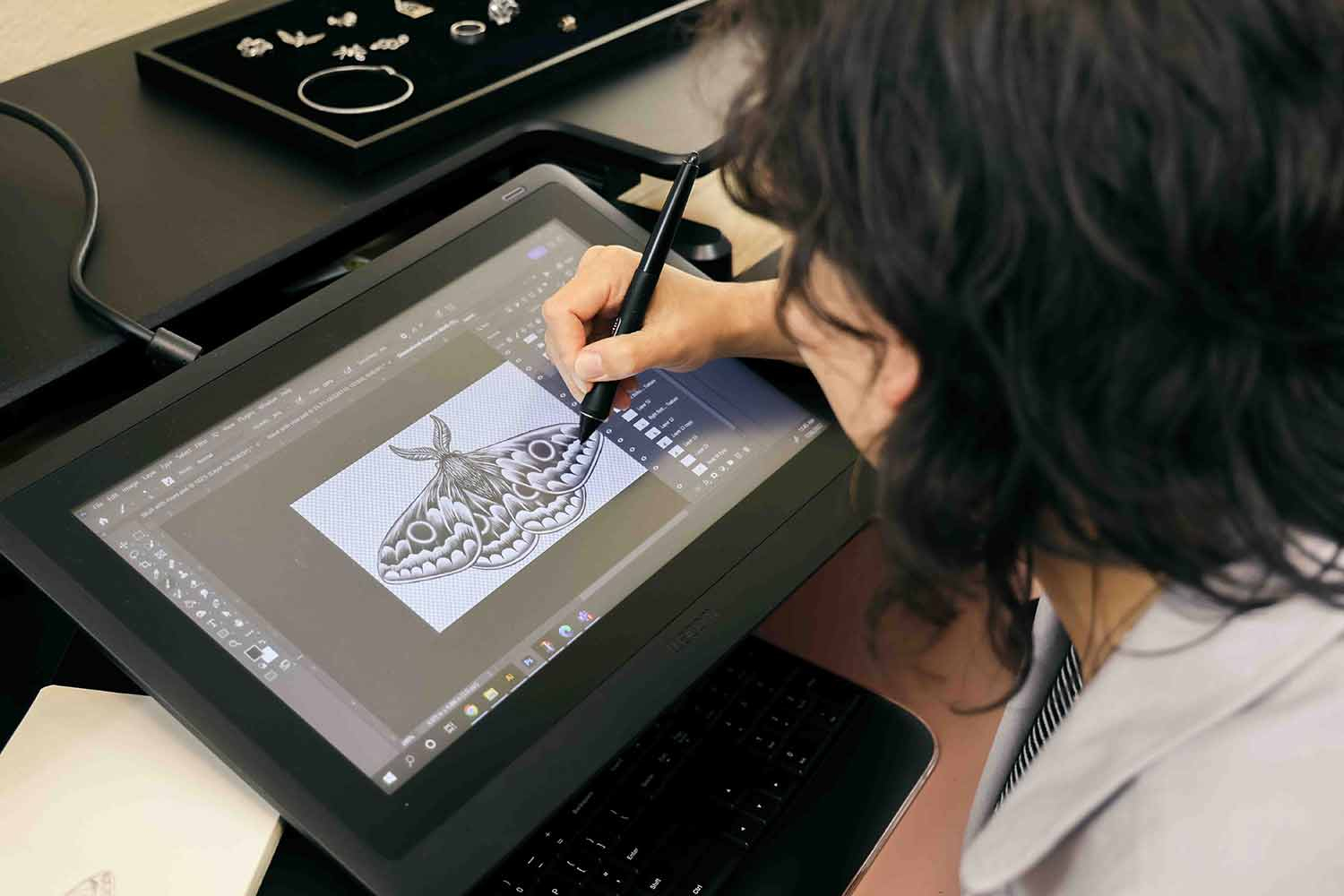
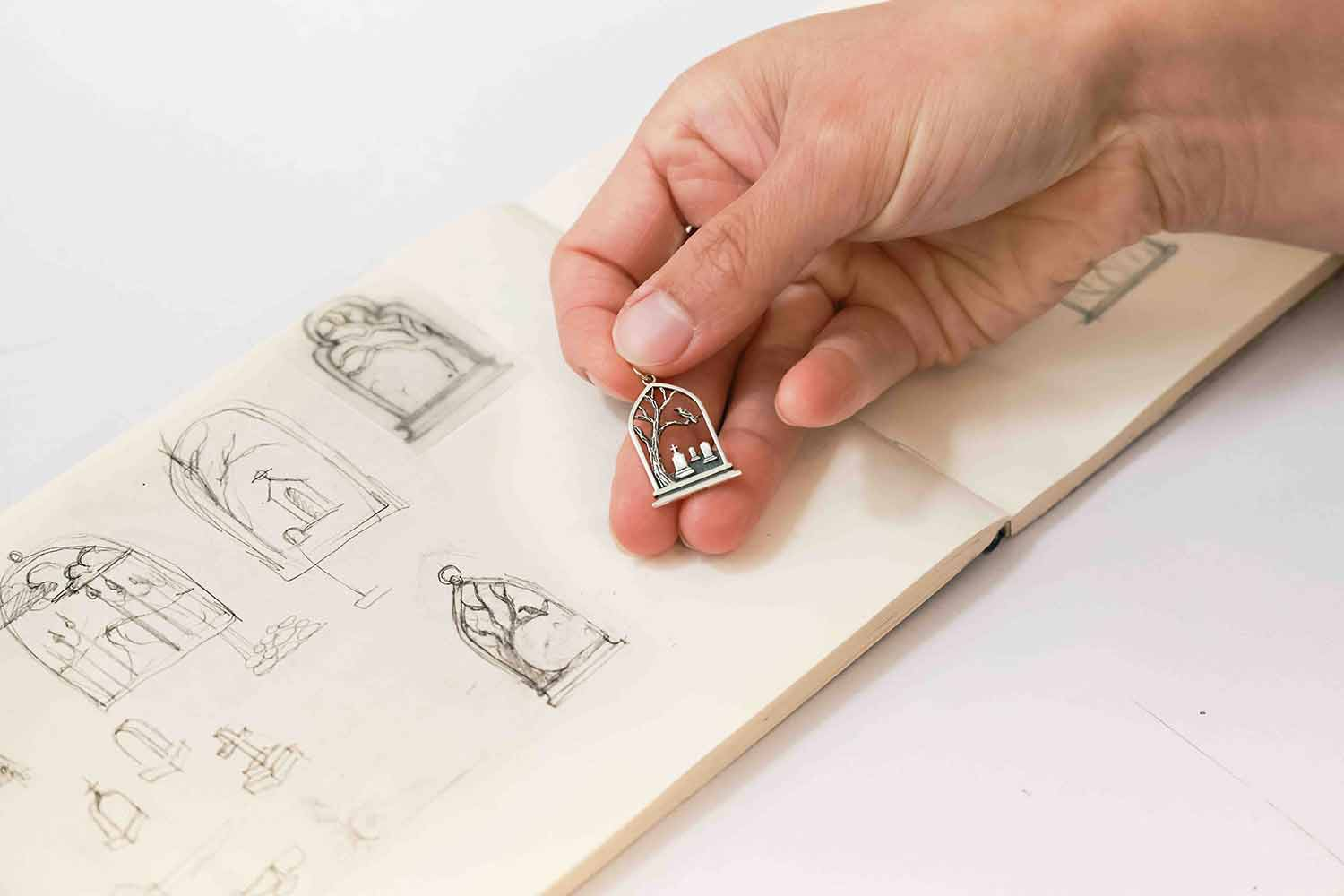
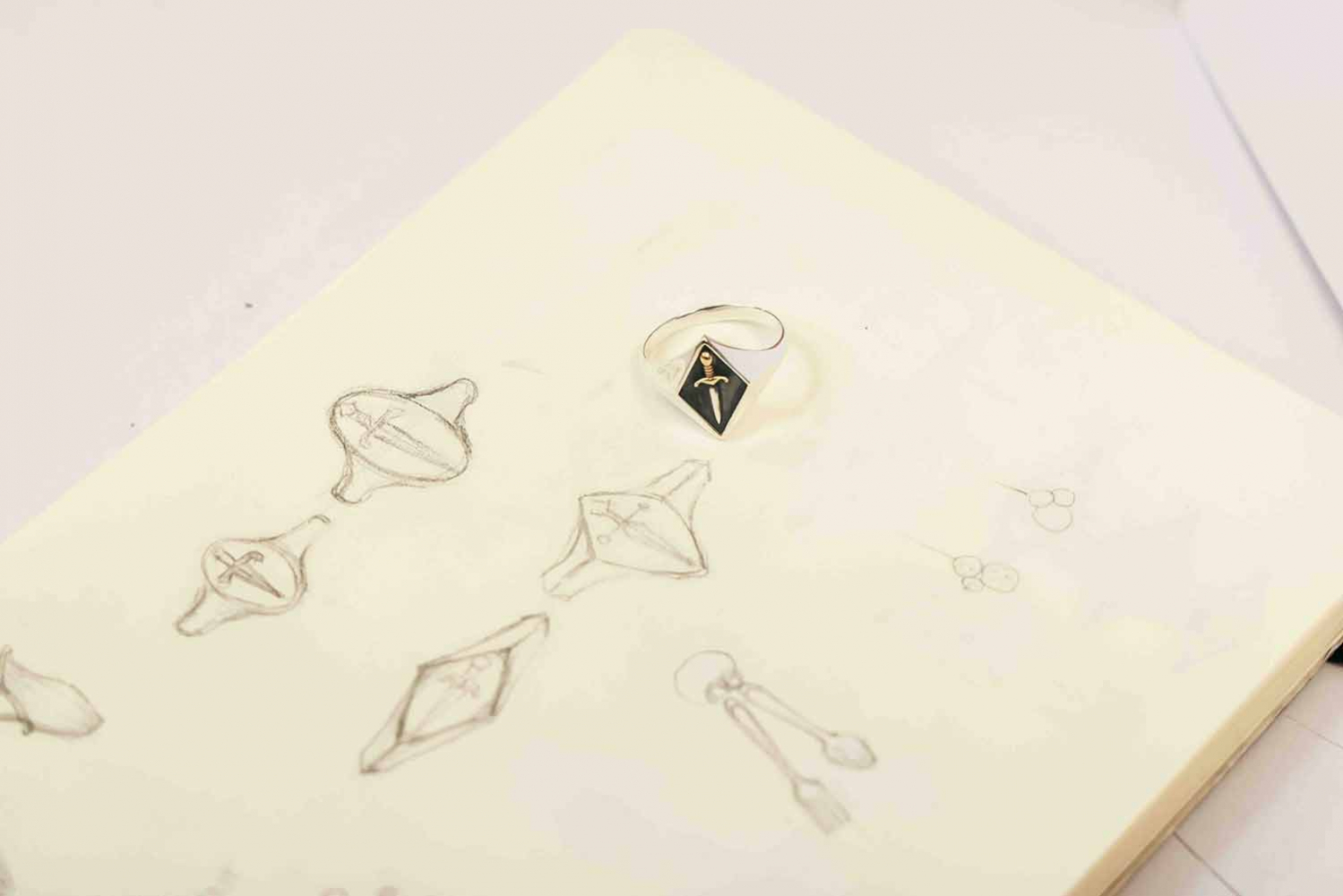
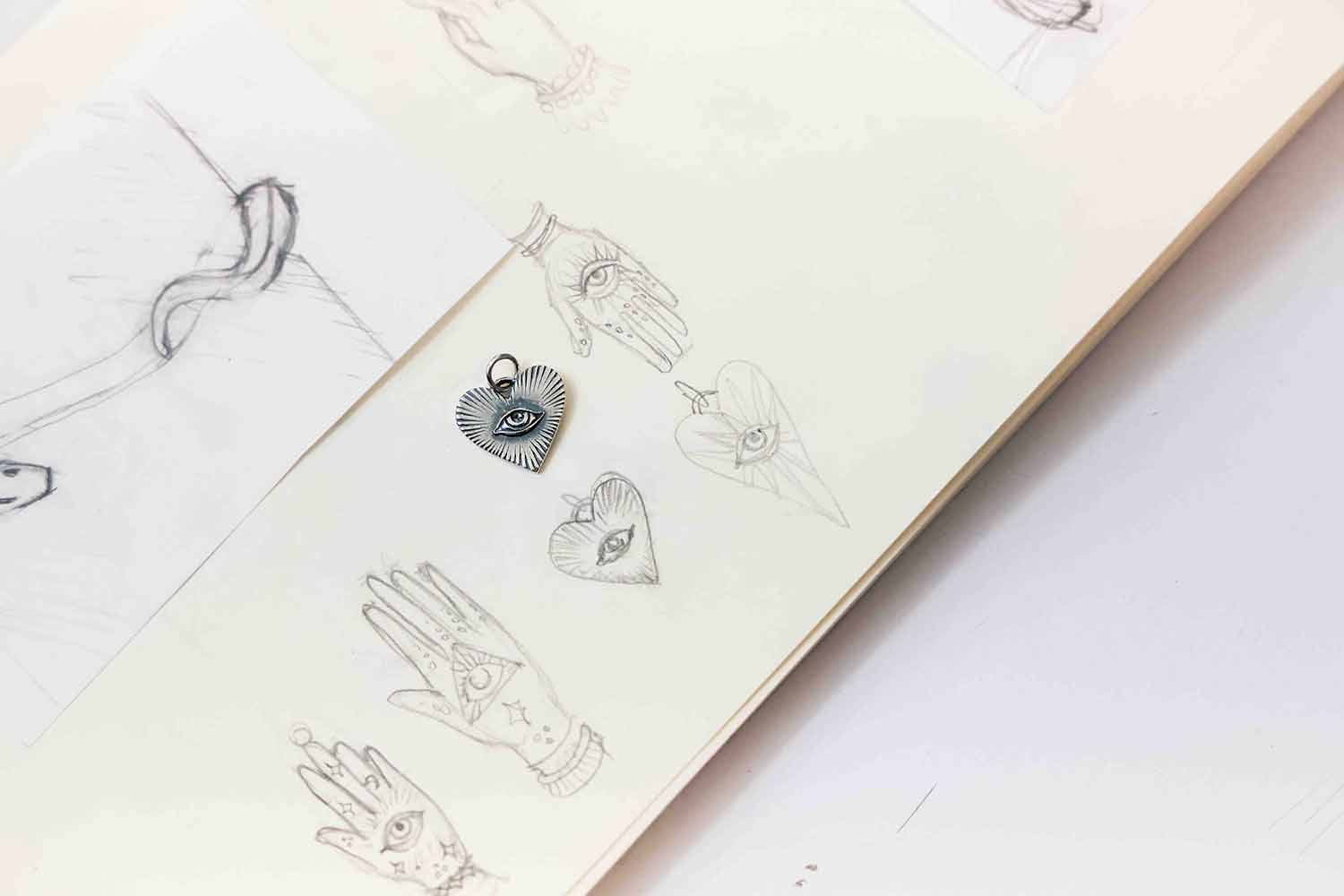
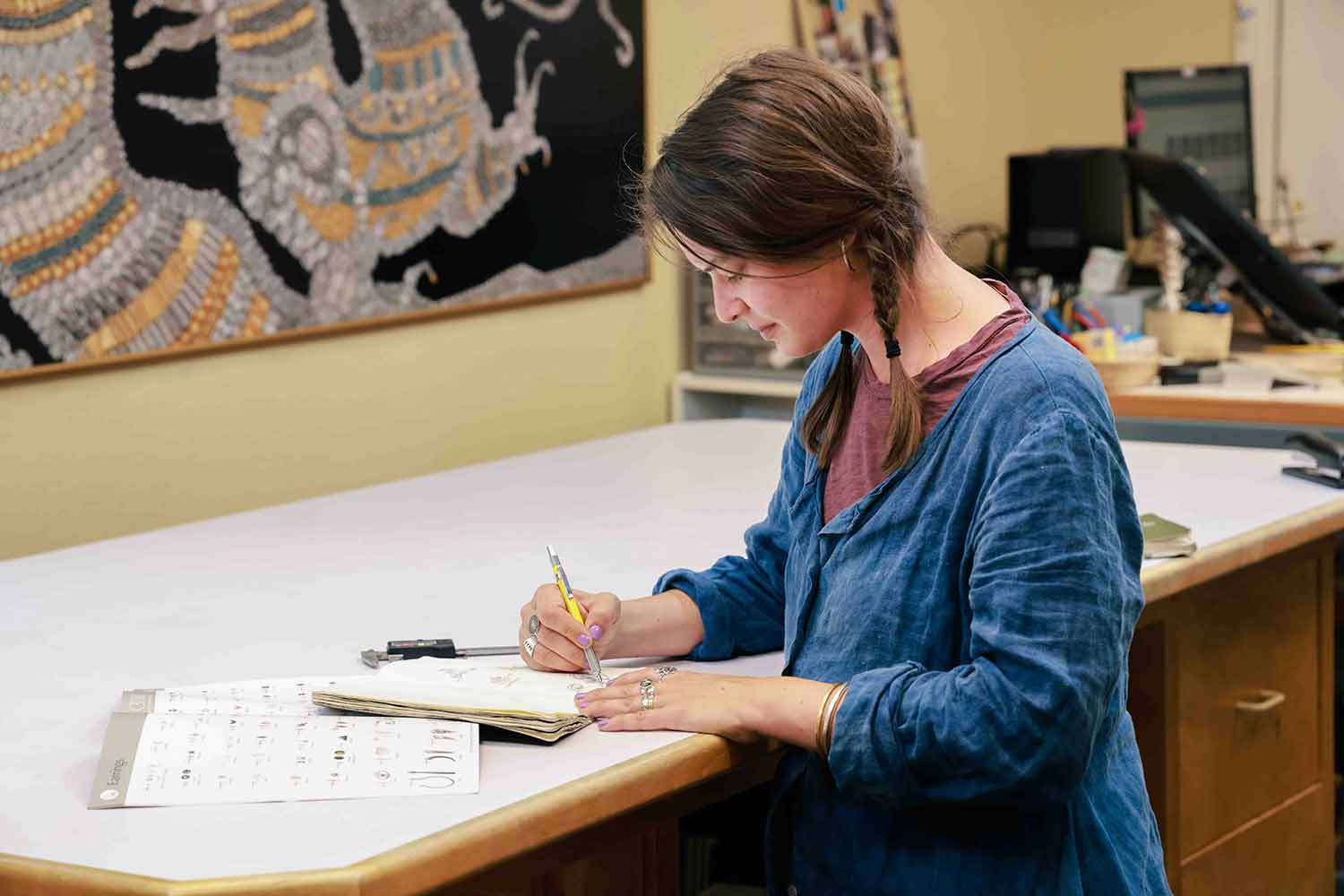
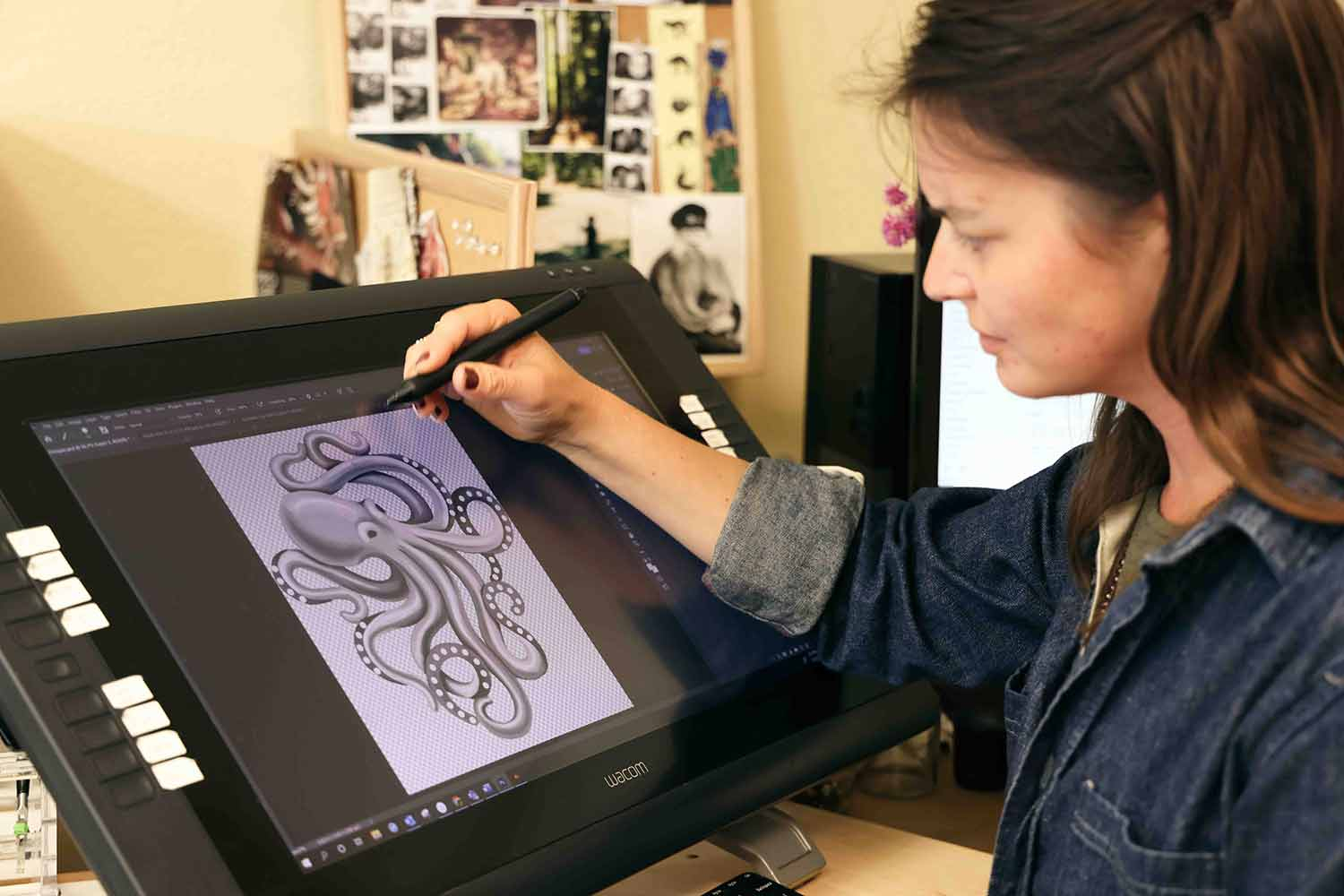
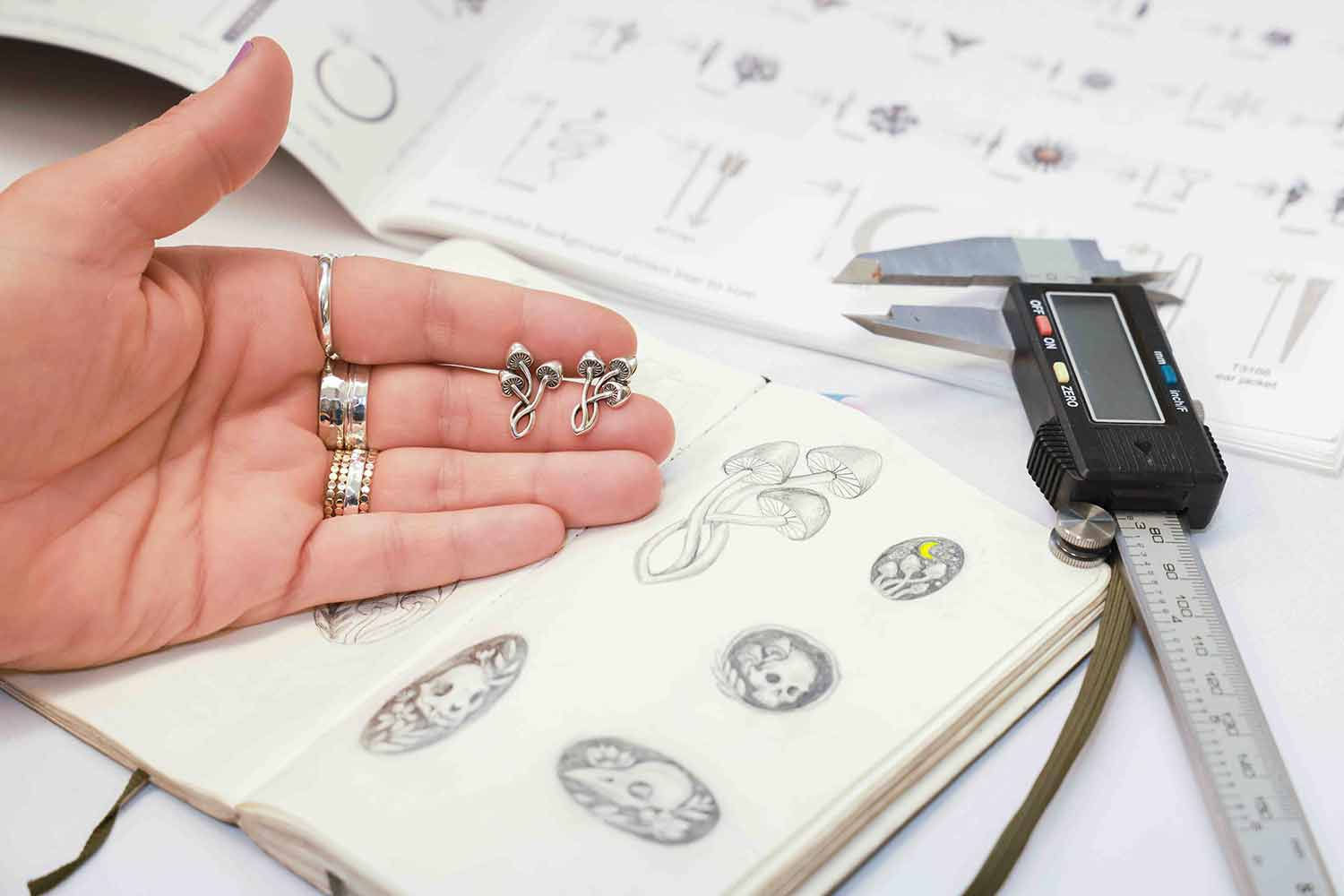
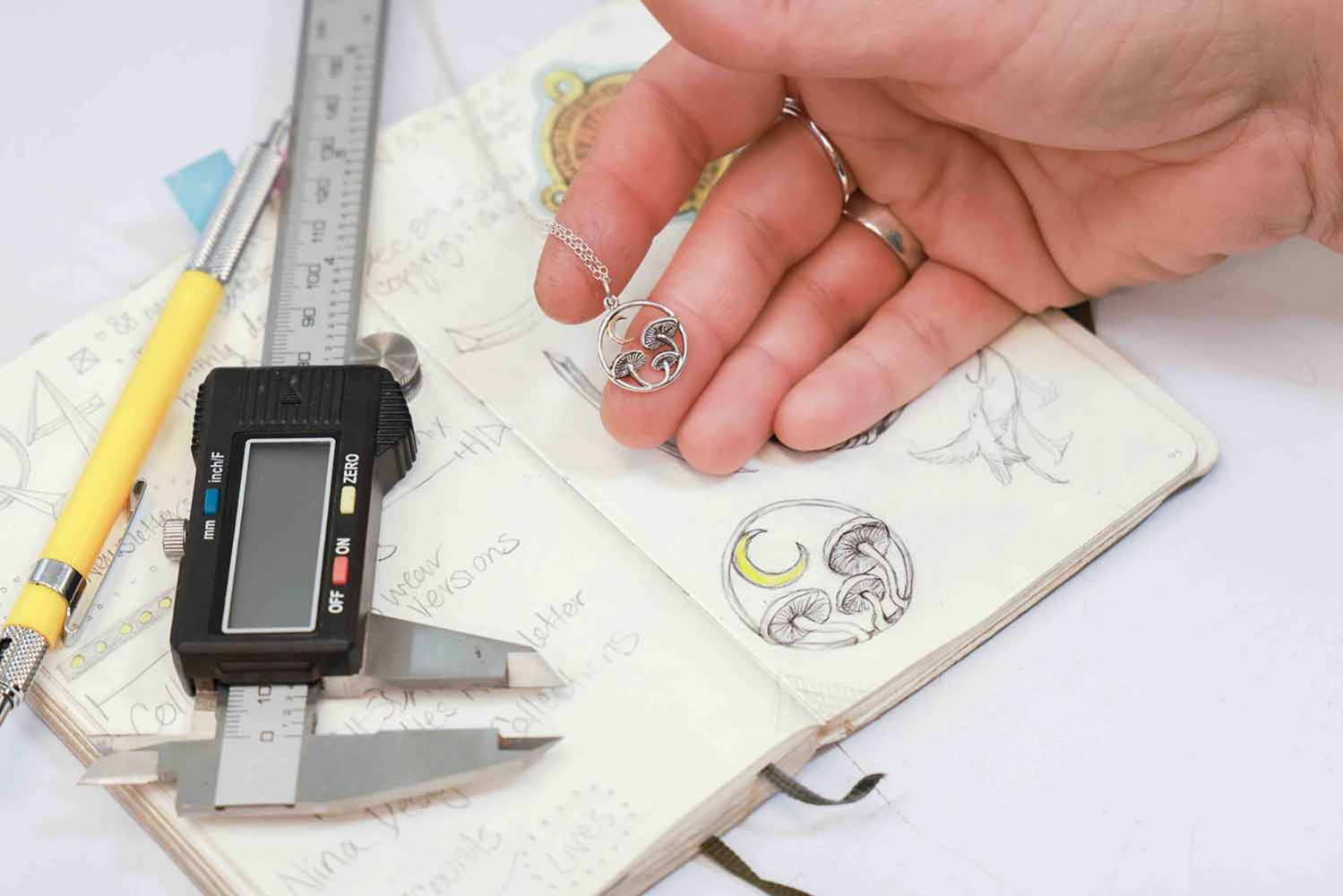
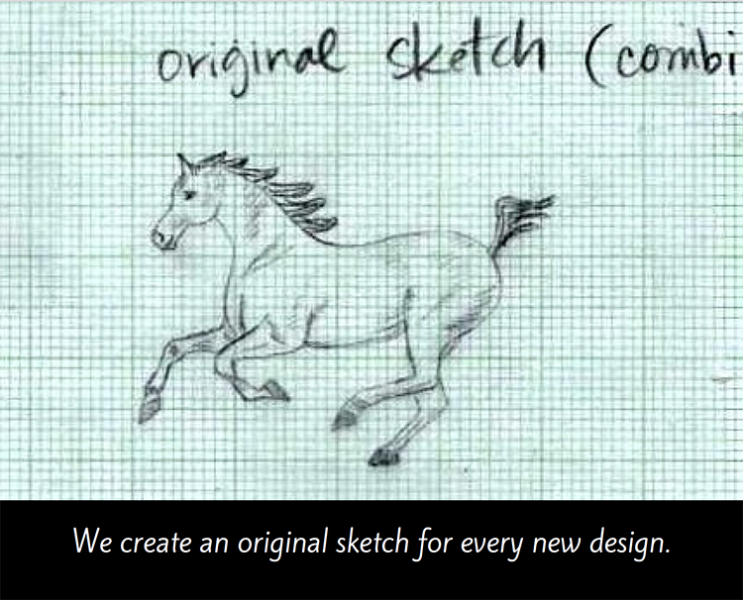
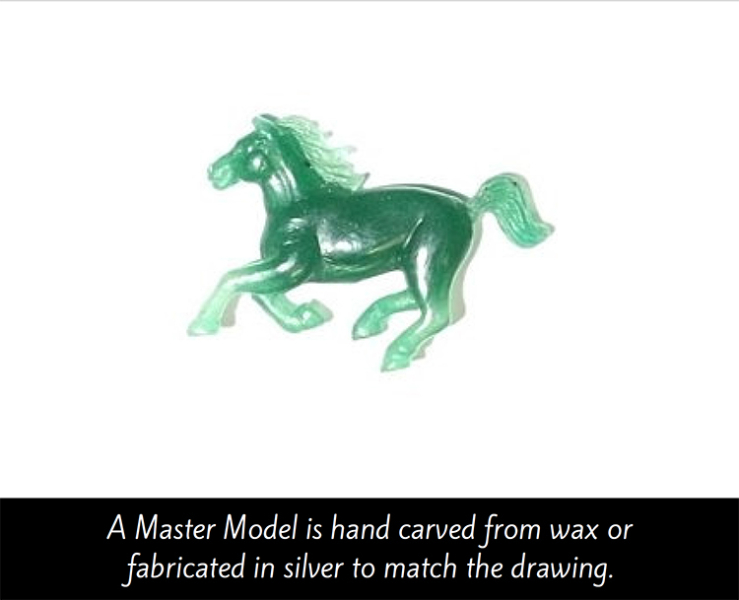
Our process begins with hand drawn sketches that we flesh out on the computer. These include exact measurements, visual references, and detailed notes. We send the spec sheets to our talented silversmiths in Asia. They send us back photos of hand carved wax models or 3D CAD files. From there, we make any necessary modifications. A new style can take months to perfect with revisions crisscrossing the globe. Eventually, we receive samples, which we test to make sure the products are as strong and beautiful as possible. Once a new style gains approval, we order stock, and the products go live on our website!
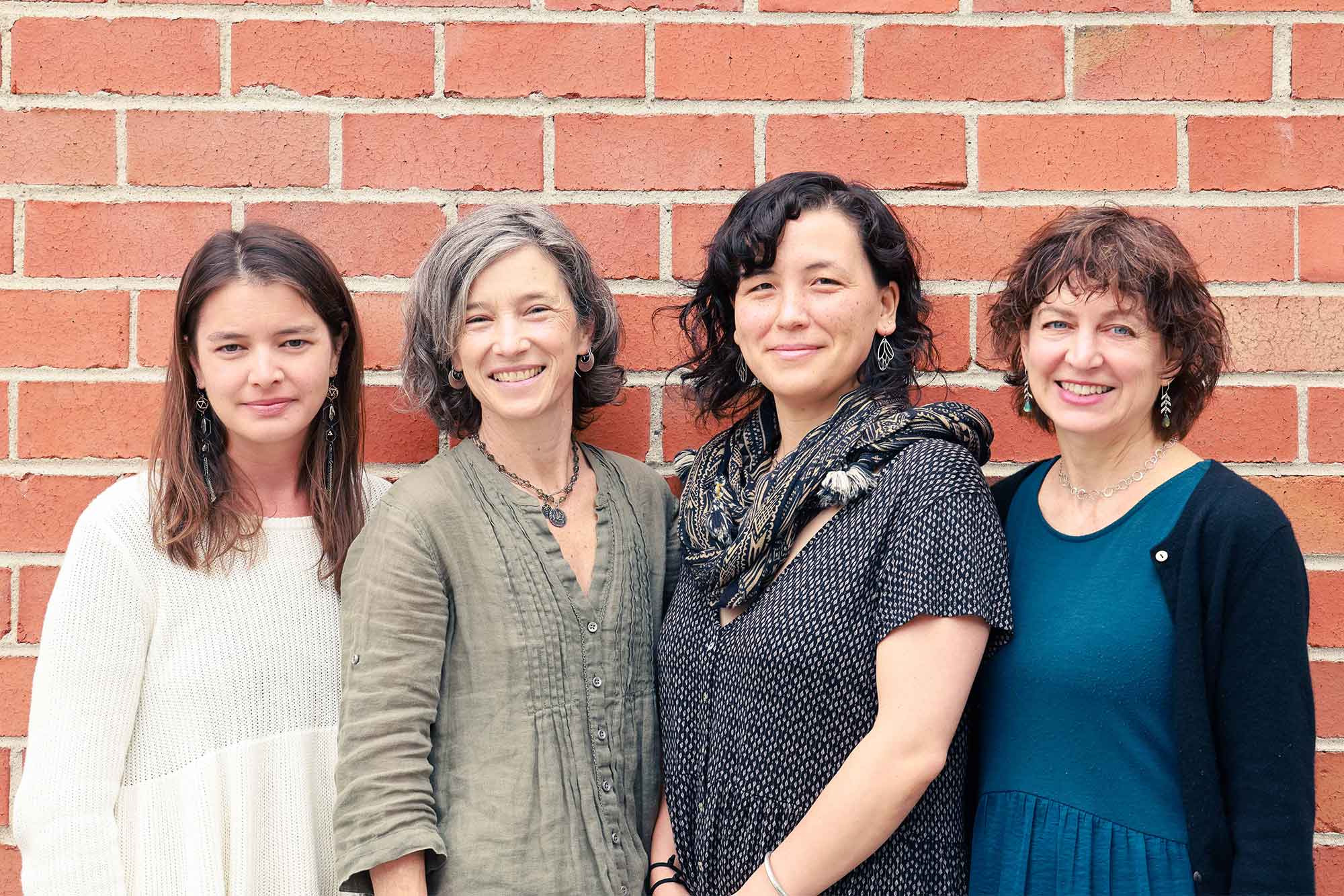
Design Team from left: Marcy, Leah, Hilary, Nina
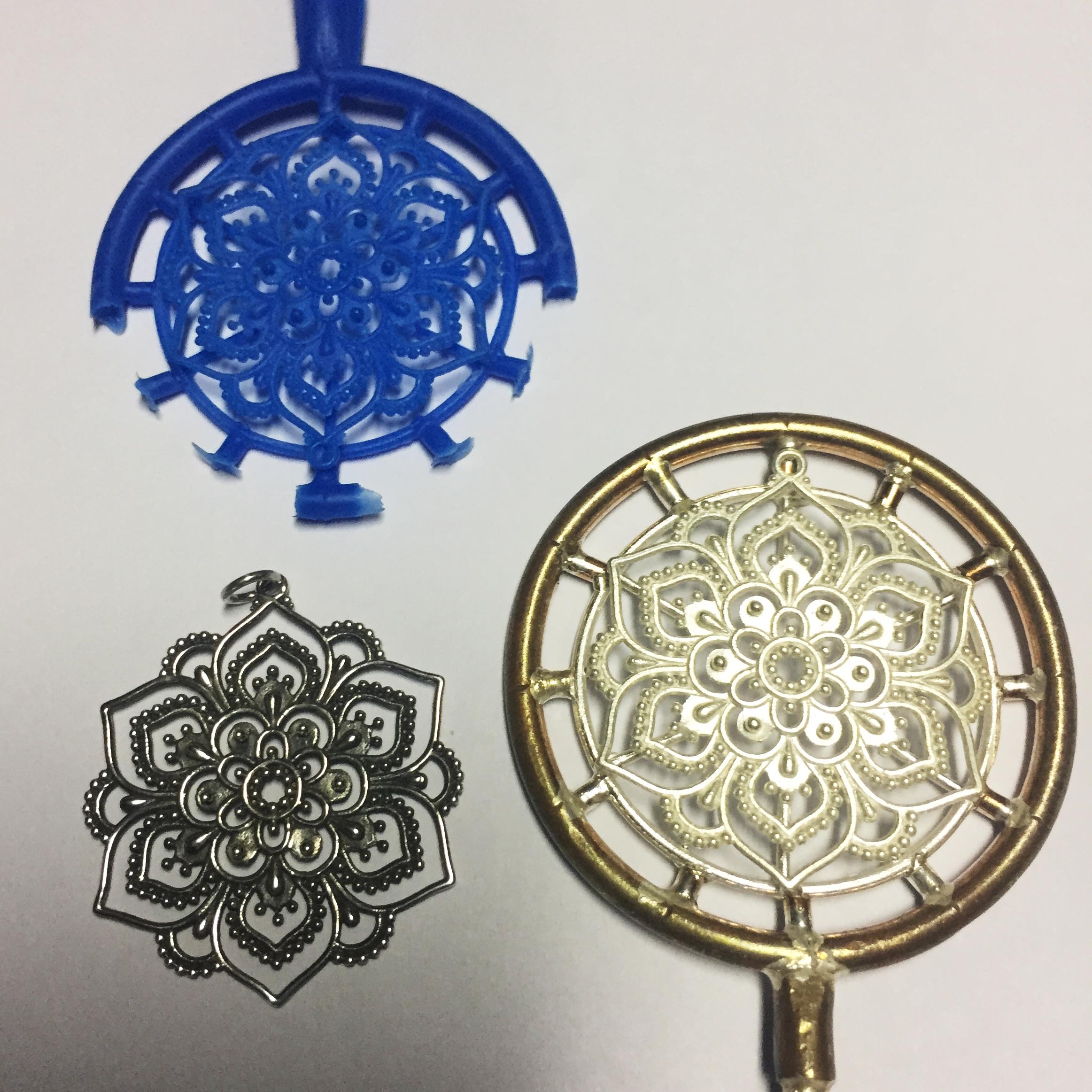
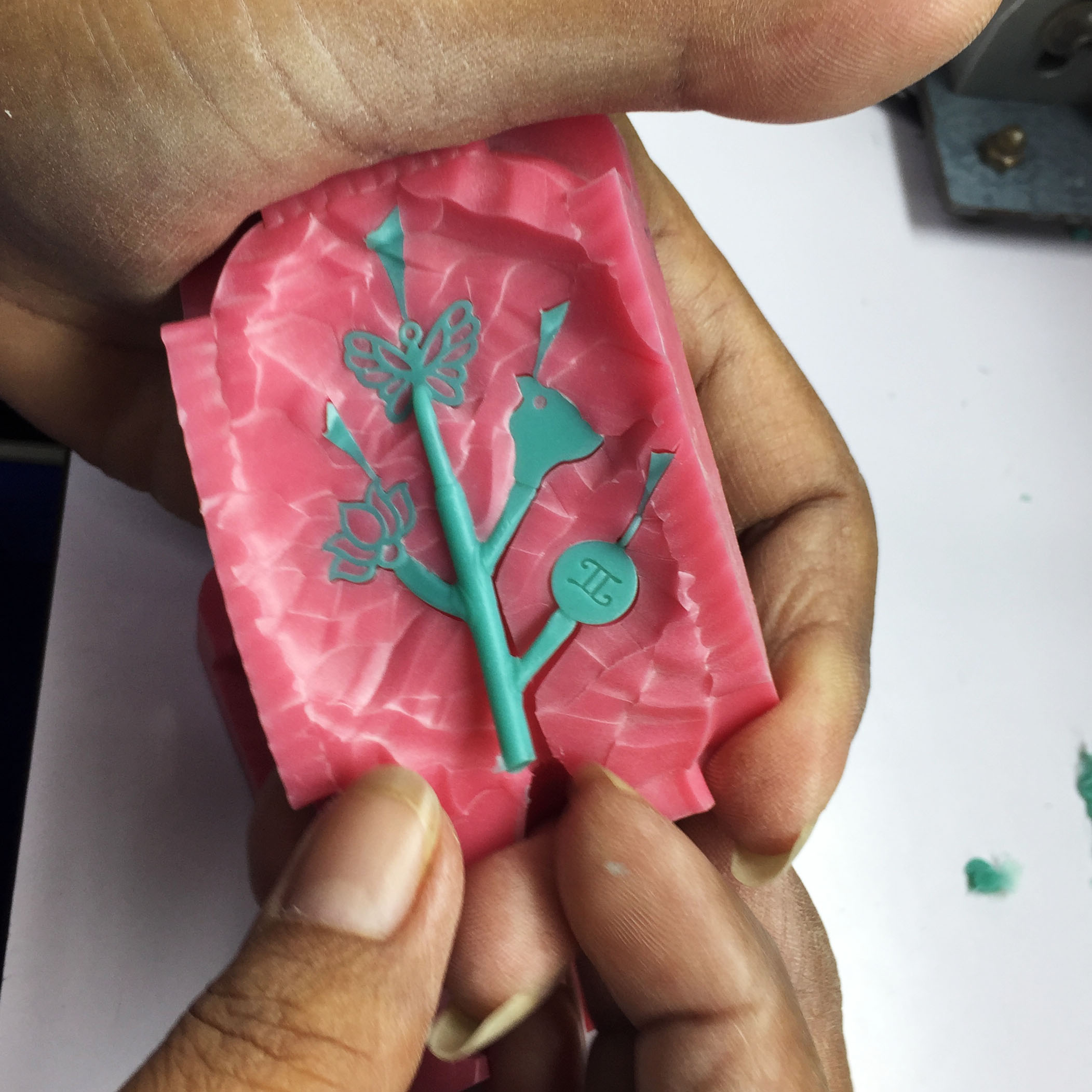
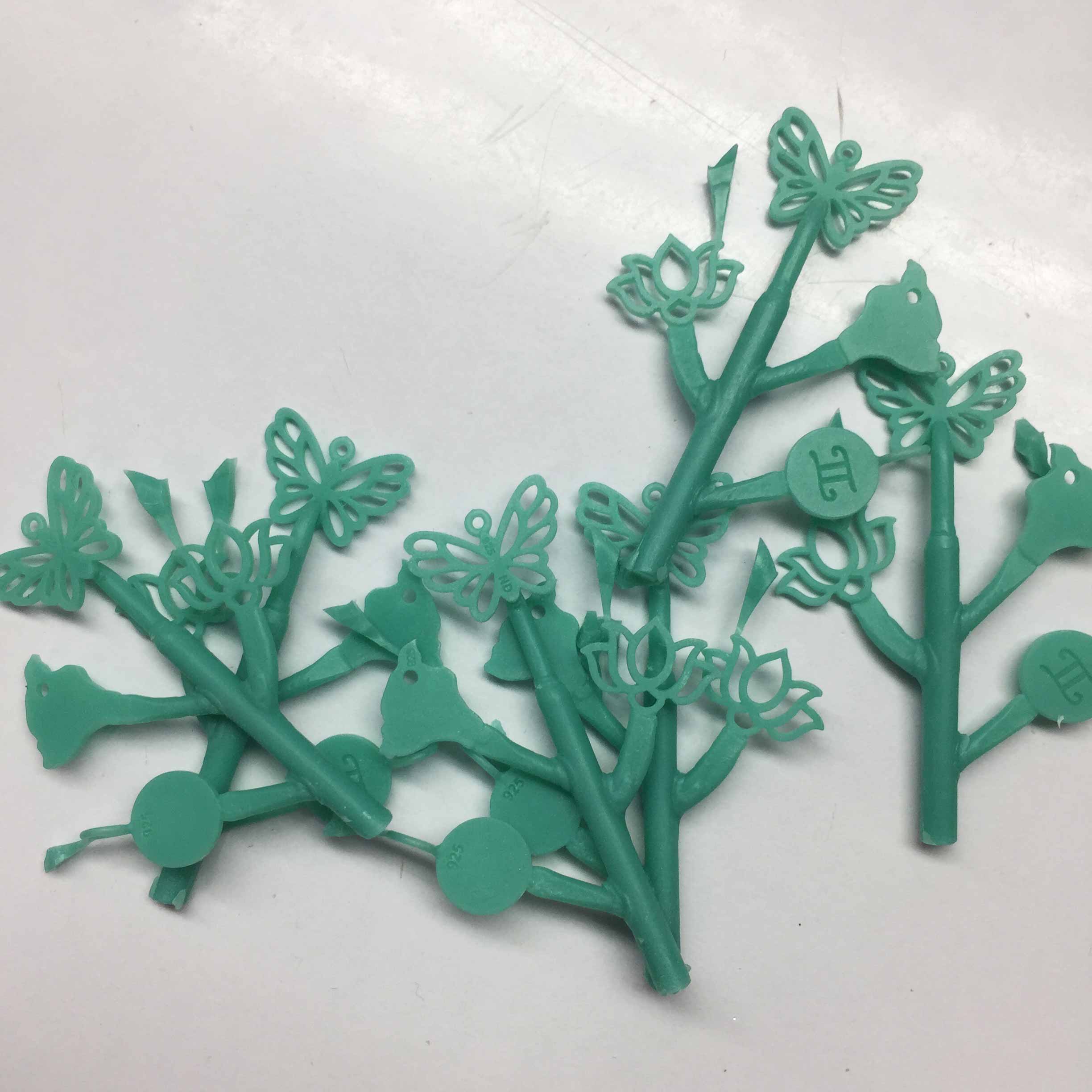
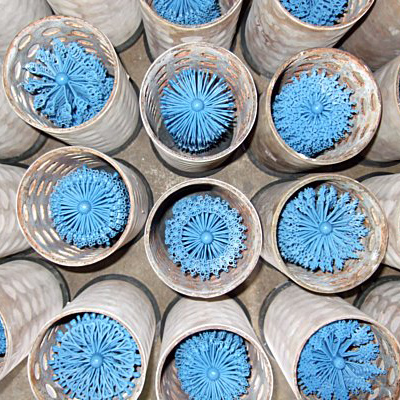
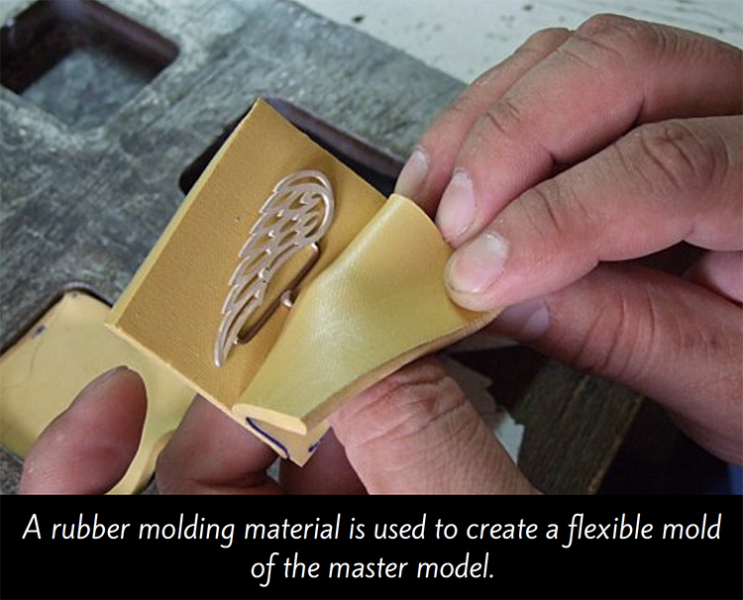
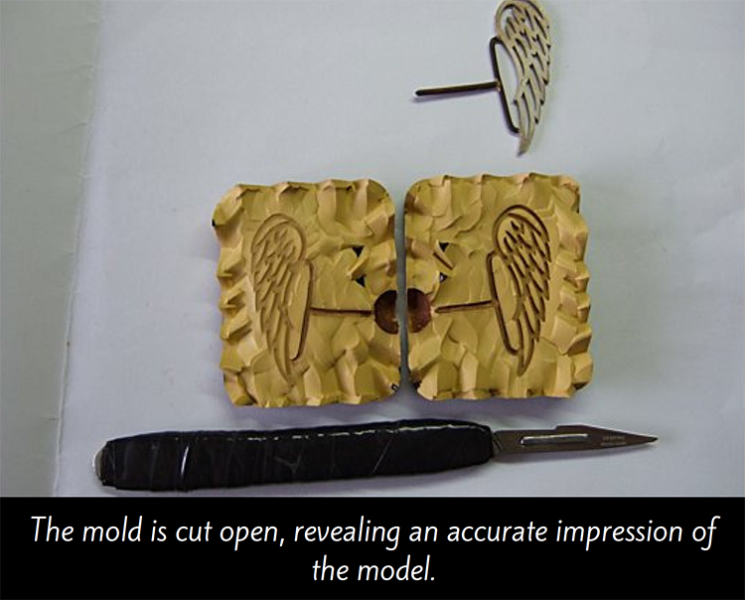
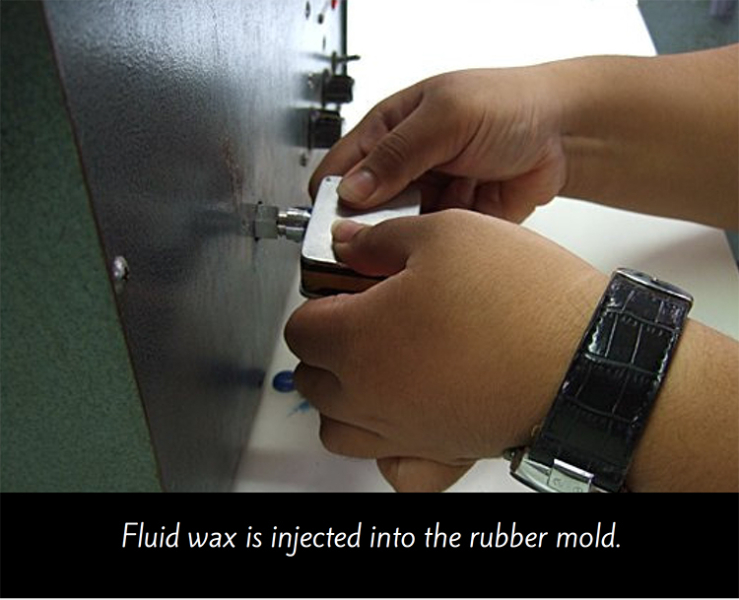
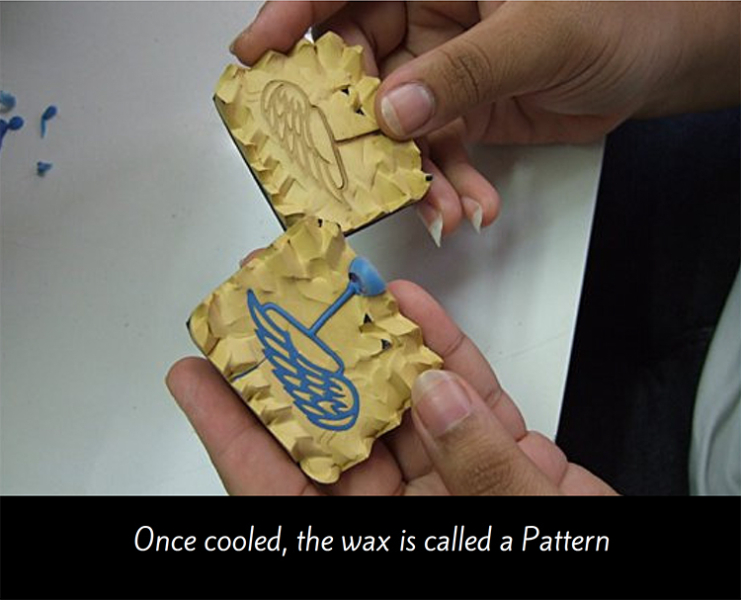
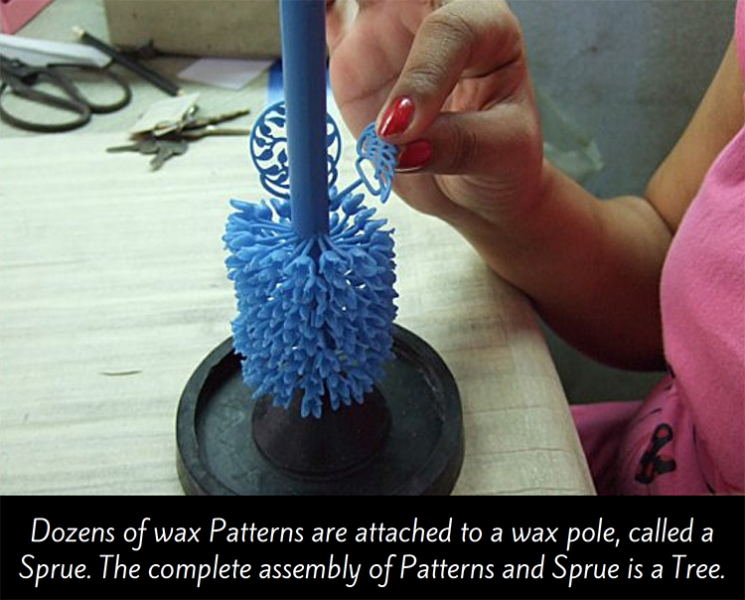
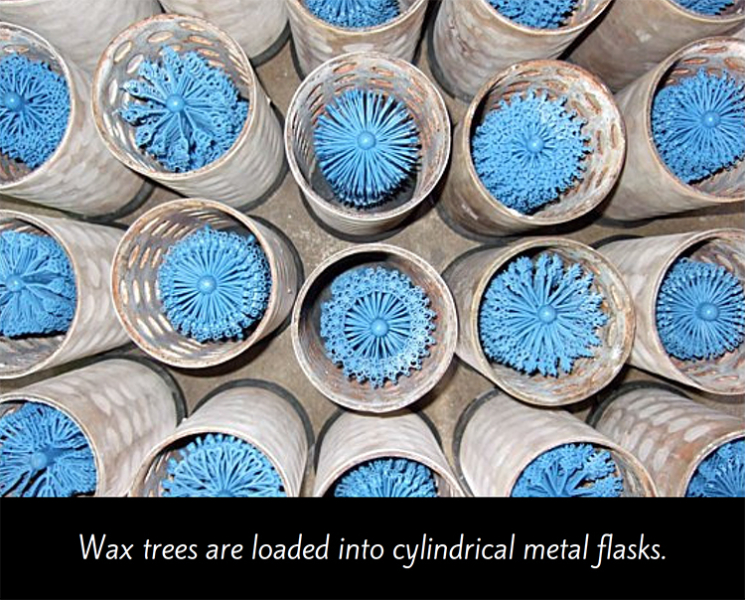
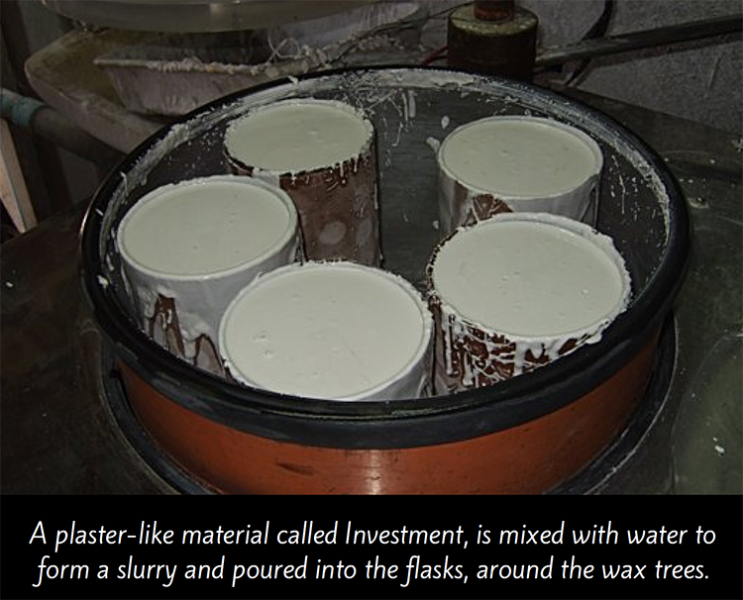
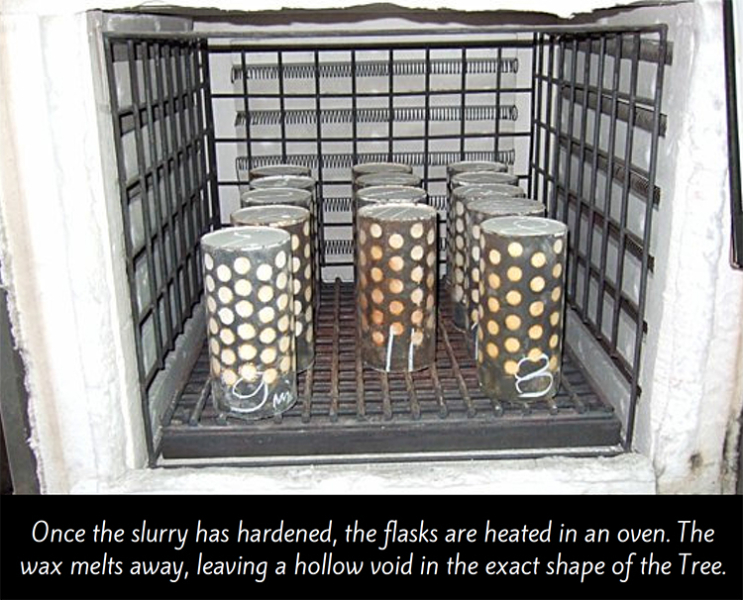
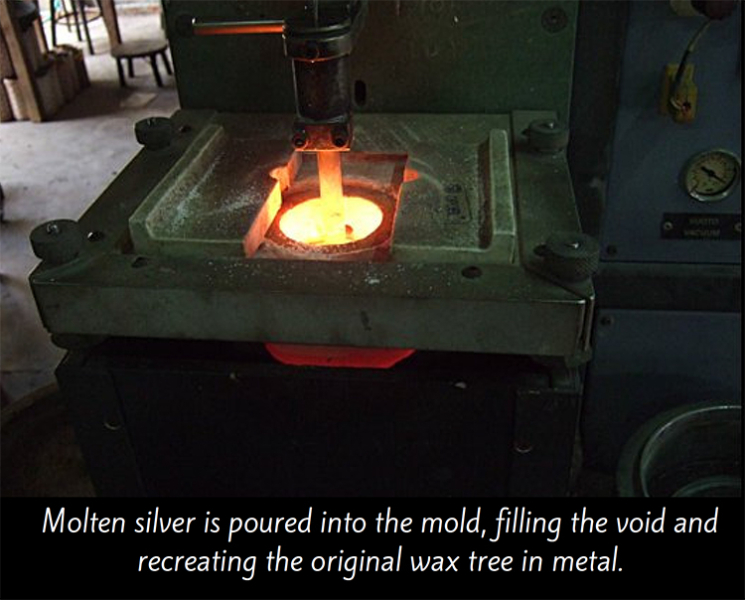
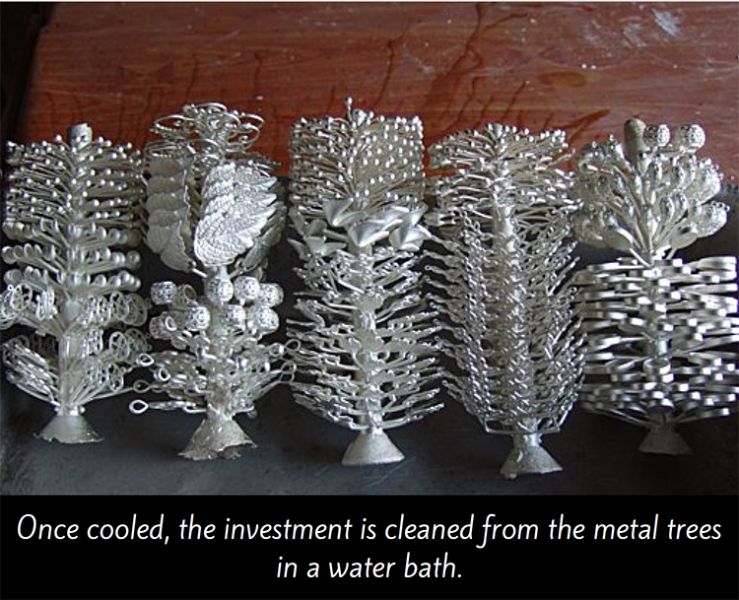
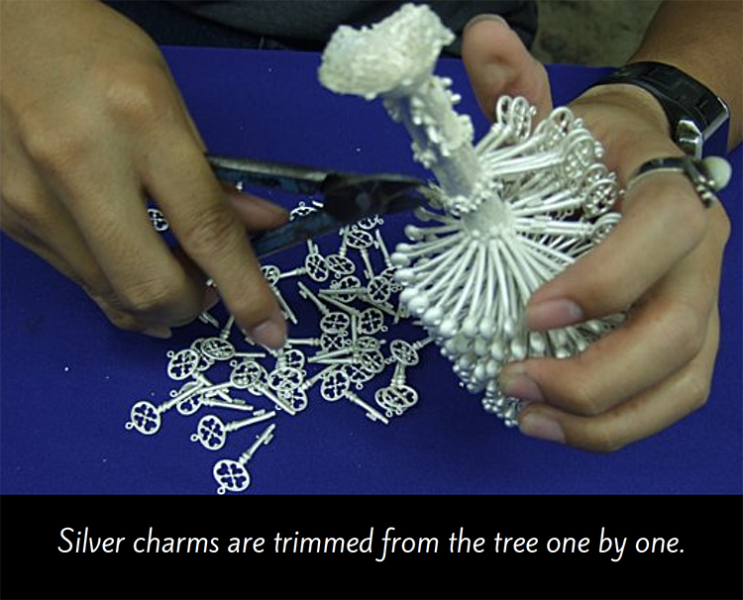
We use casting for select designs in Bali and all of our production in Thailand. Casting is more labor intensive than most people realize, especially when you hand finish each piece. To cast a flawless silver charm requires a delicate balance of art and science. In order to create a high quality casting, many variables come into play. What type of wax should be used? Where should the sprues be placed for a specific design? How many pieces will fit on one wax tree and how should they be spaced? Through long experience, plus trial and error, our highly skilled artisans craft a different “recipe” for each design. For a step by step tour of the whole process, please see our slide show below.
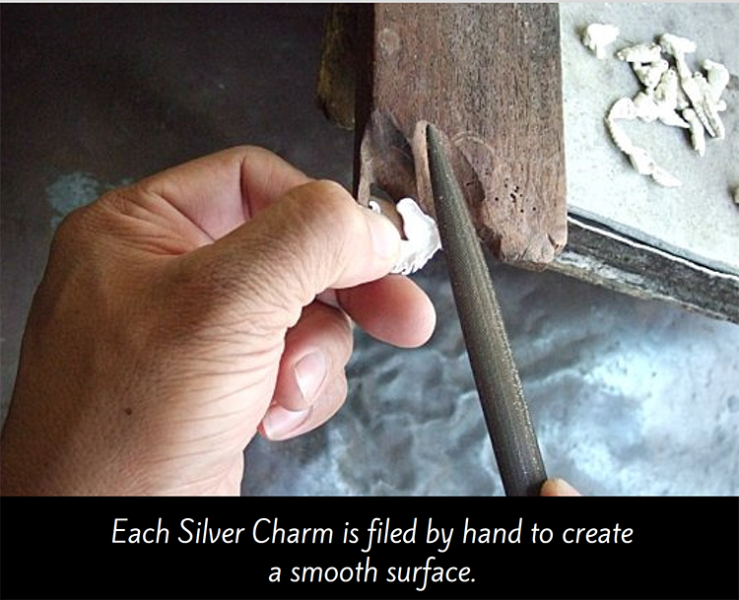
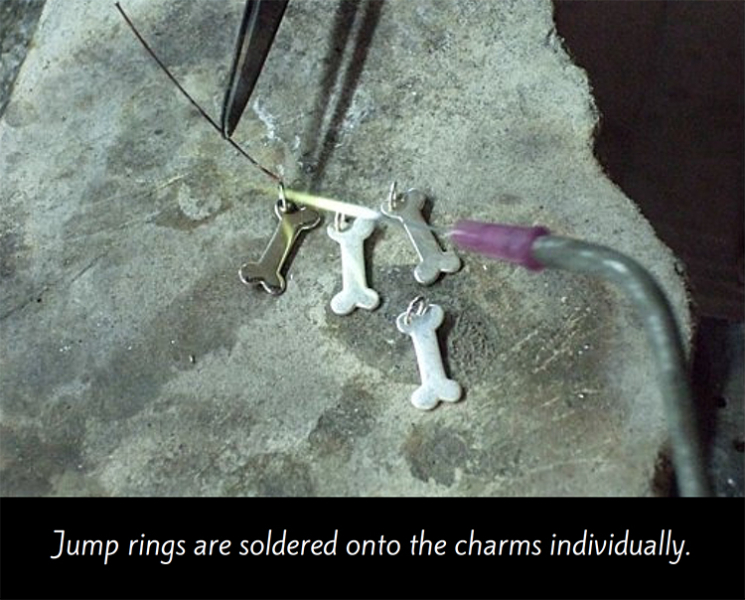
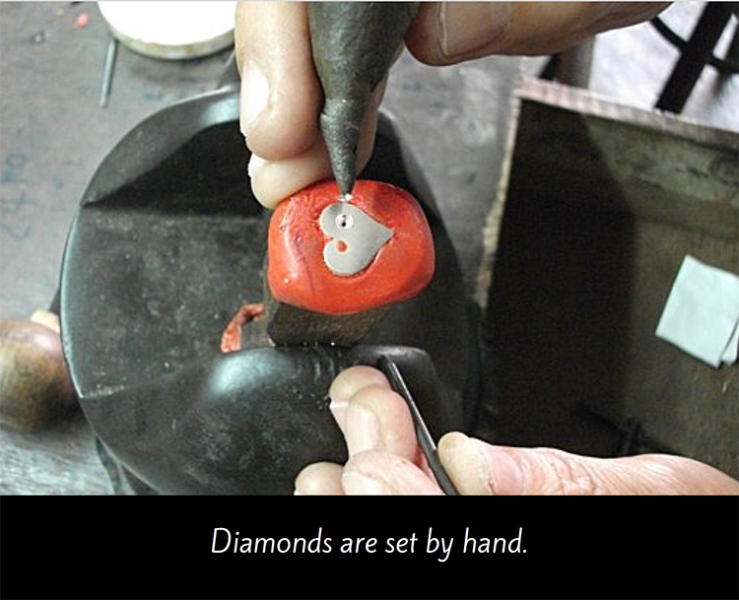
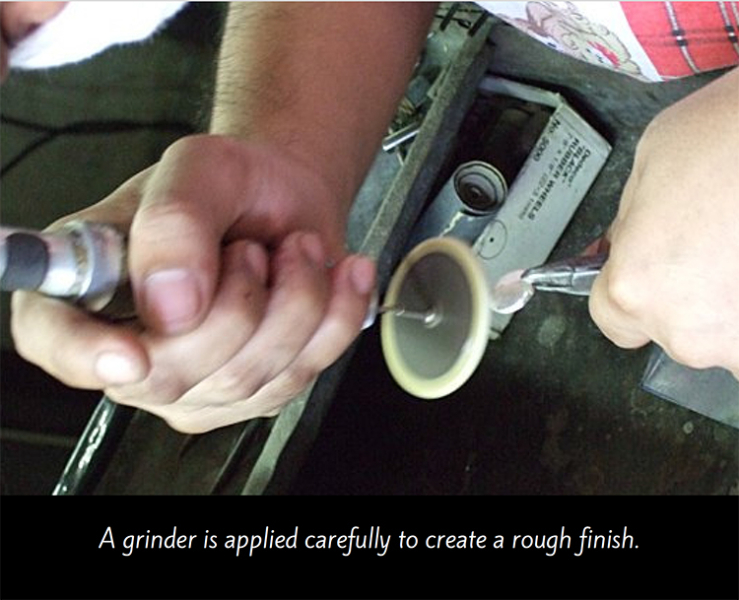
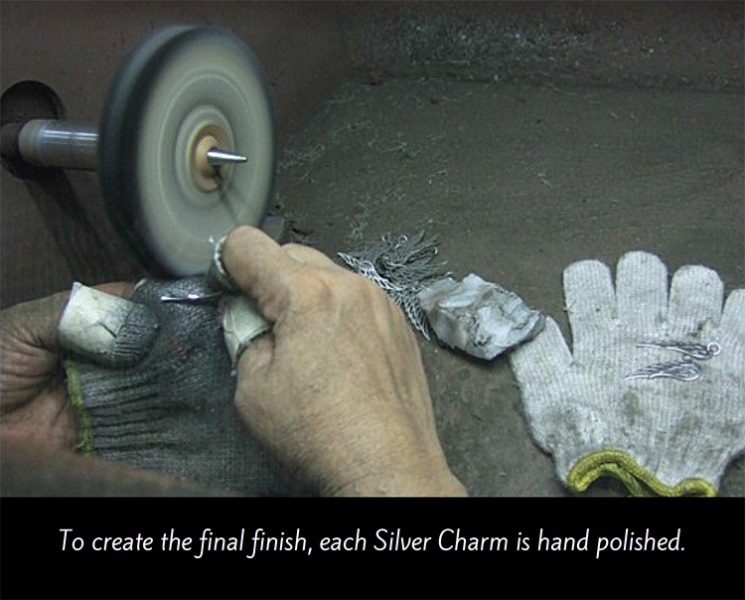
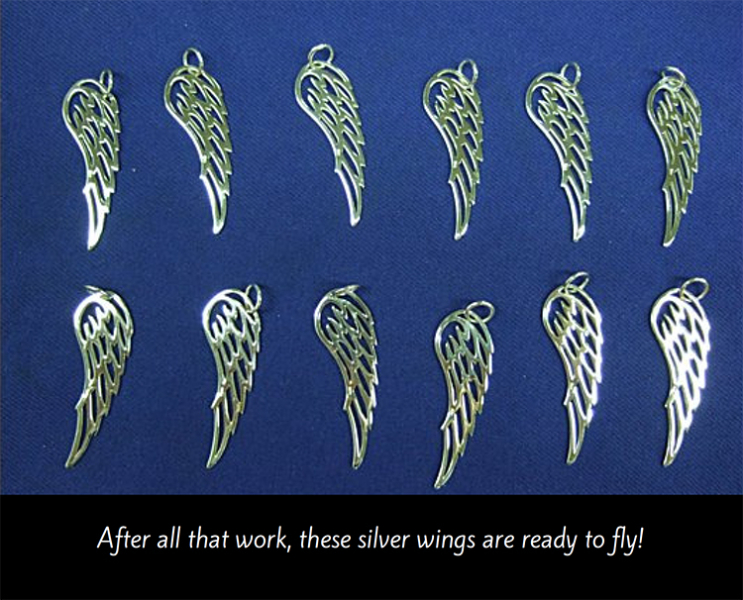
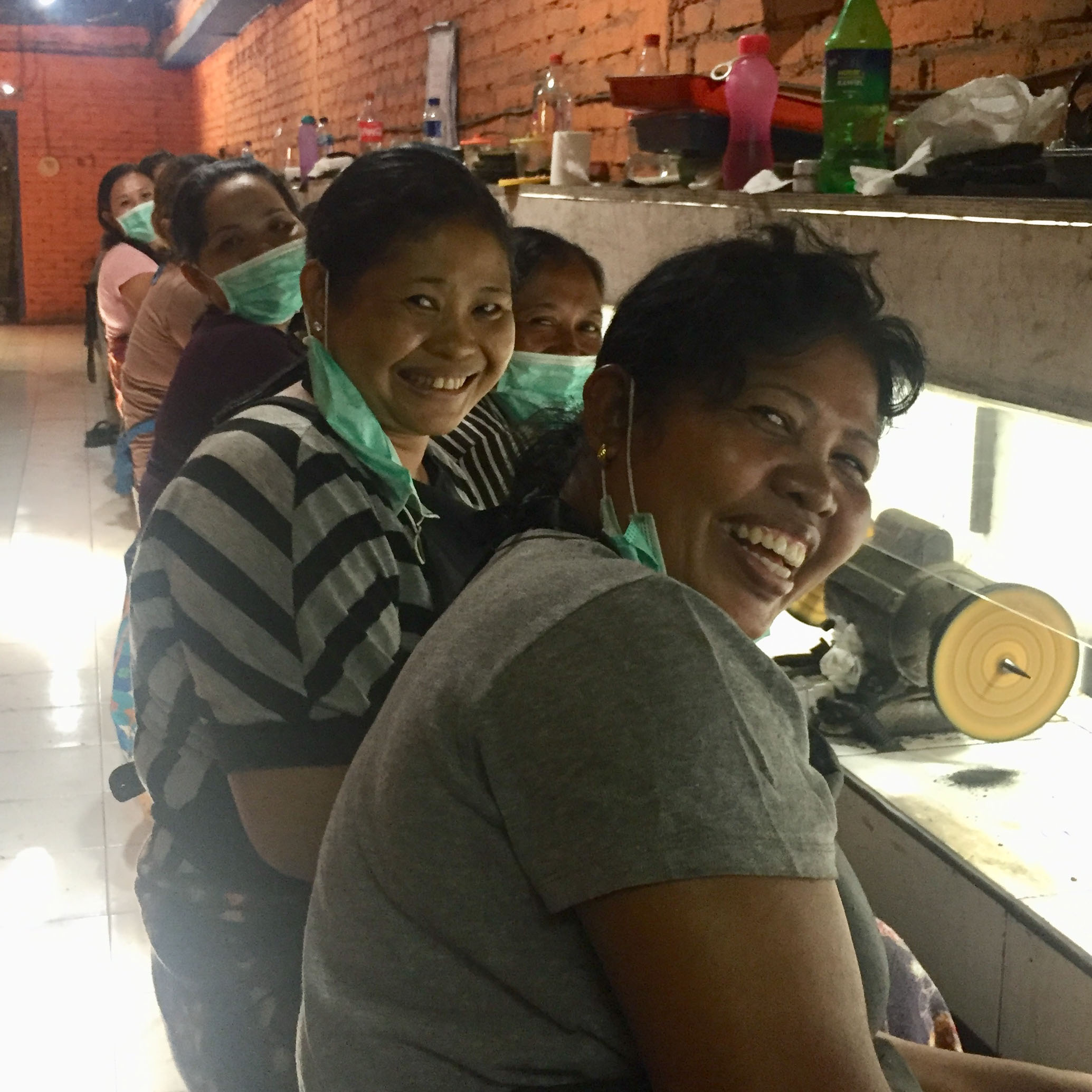
Our Handmade Bali Silver is made piece by piece in a painstaking process that requires enormous skill and patience. Every little silver ball, every tiny filigree, wire is made and applied by hand. Most of the silversmiths at our production facility come from a long lineage of metal smithing and have trained for many years. Bali beads are handmade in the ancient tradition of Indonesian silversmithing. Working with silver is an extremely labor-intensive process. It requires tremendous skill as well as large reserves of patience. An unsteady hand can ruin the design in a blink of the eye and a moment too long under the torch can cause a lacy pattern to crumble. Balinese silversmiths put the same attentive care into each bead that they put into all aspects of their ceremonial life. The same hands that work metal with such exquisite skill weave intricate offerings of palm leaves and flowers, prepare towers of fruit and cakes to balance on their heads in processions and play instruments of the gamelan orchestra in village rituals.Perhaps it is this mingling of the secular and the sacred that makes the Balinese people and their beautiful work so irresistible. A painter named Batuan explained it to me one day, “to the Balinese”, he said, “all art is an offering to the gods.” Read More
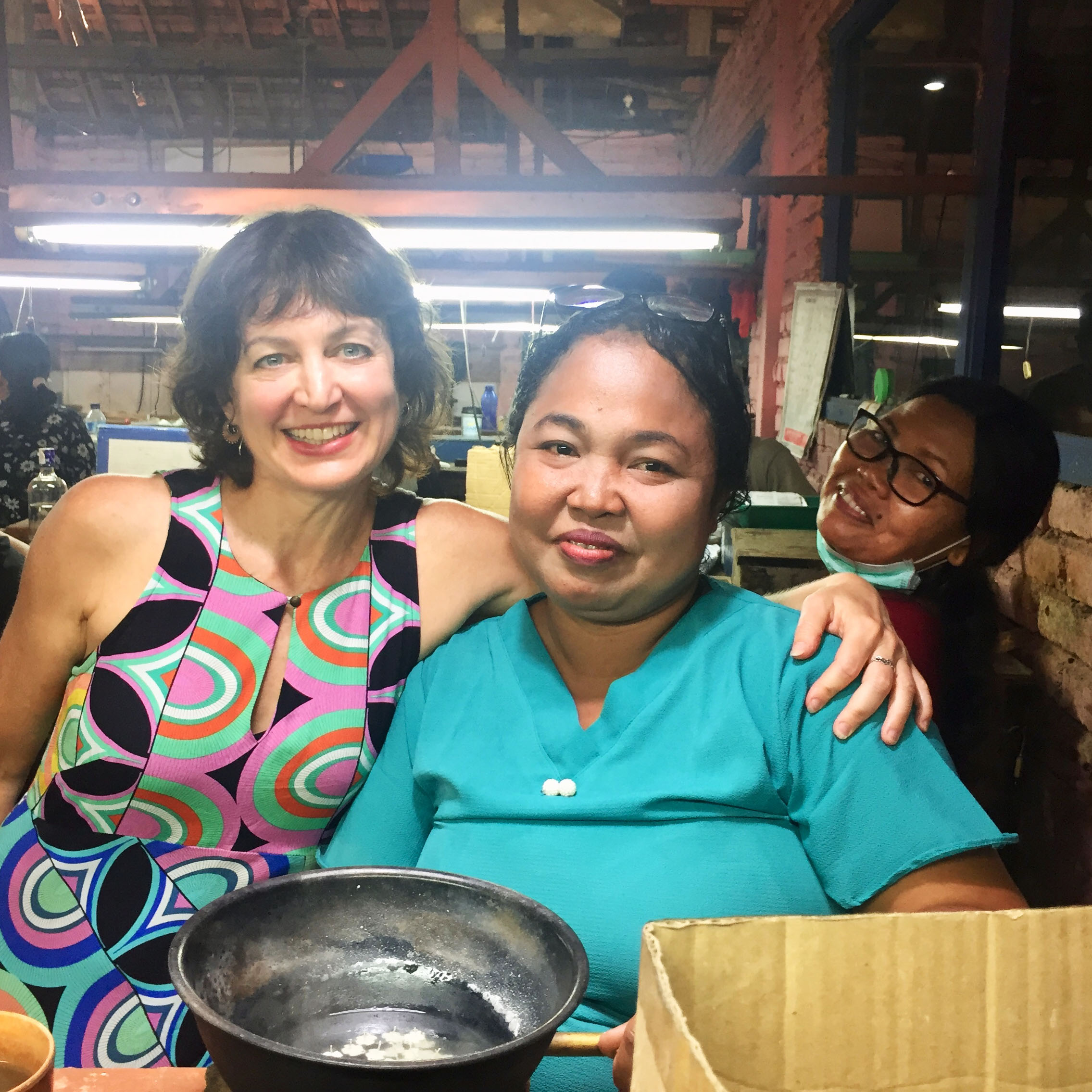
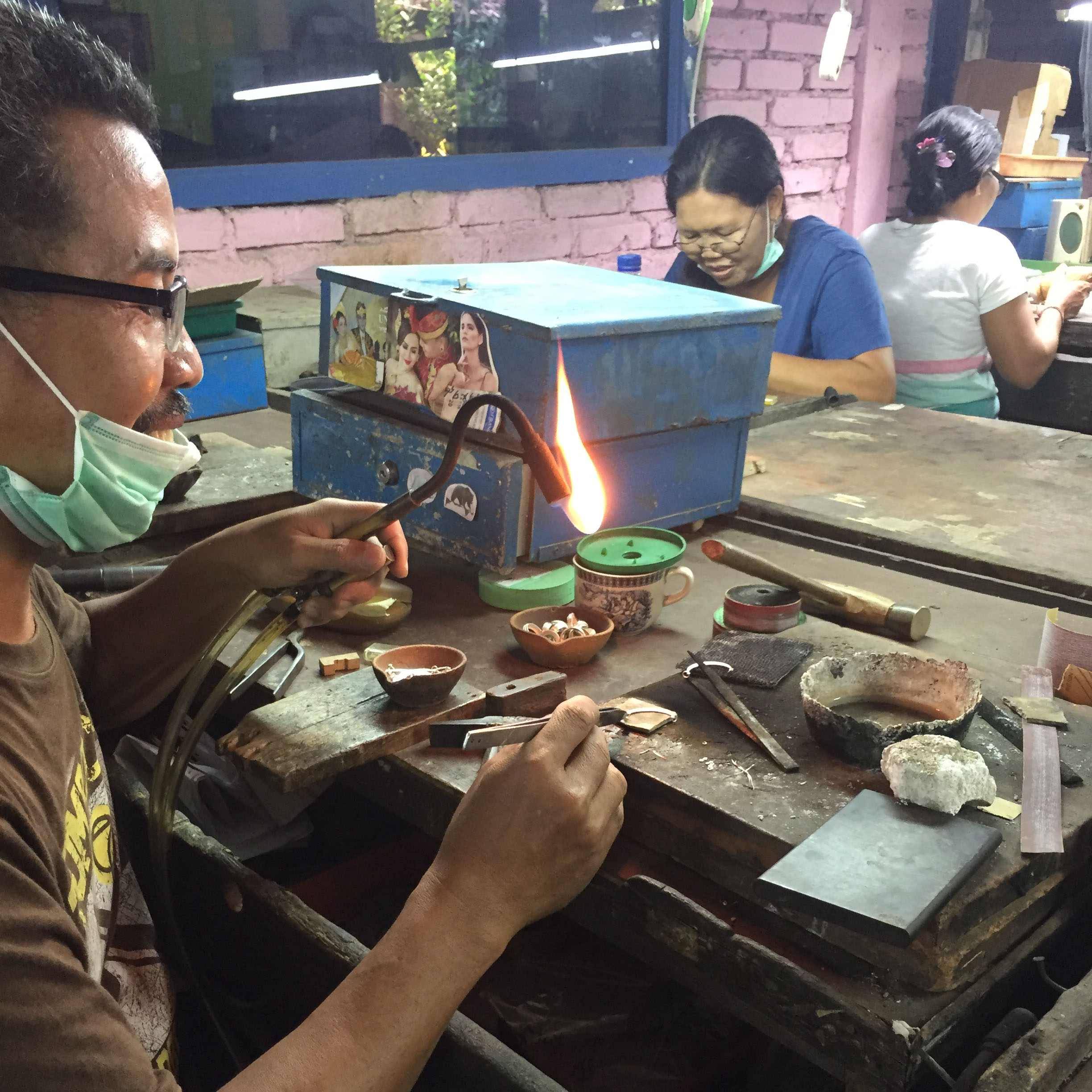
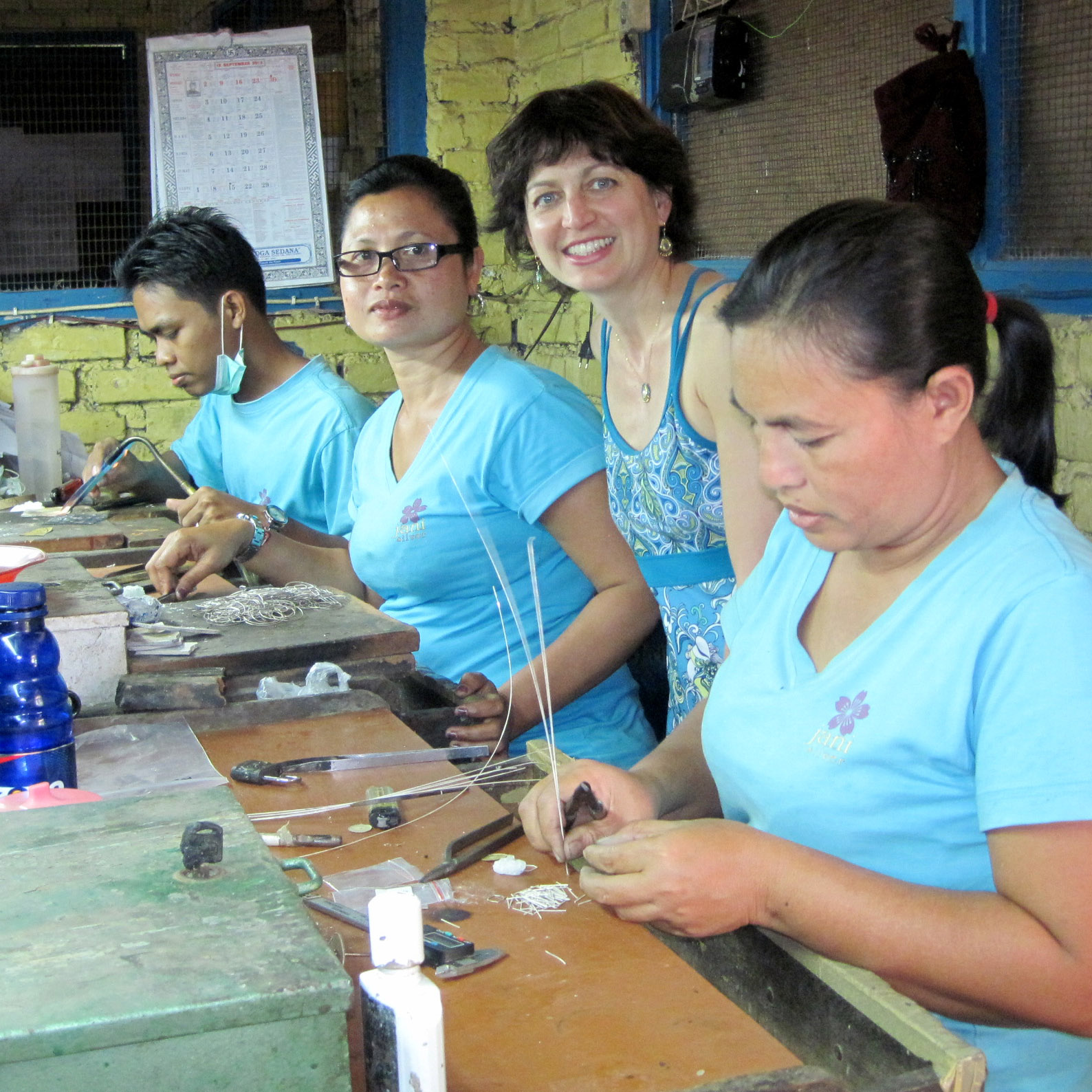
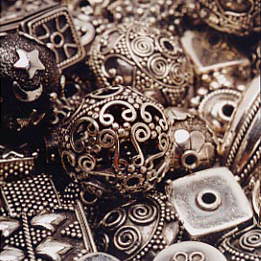
Handmade Balinese Silver Jewelry is part of an ancient tradition. The art of metal work arrived in Indonesia in the Bronze Age from Southern Chinese and Southeast Asian areas. Bronze drums, dated from as early as the fifth century BC, have been found throughout the archipelago, and some of them are believed to have been cast in Bali. Indeed, the most famous of these drums, the massive Moon of Pejeng, still rests in Bali on a temple pavilion in the village of Pejeng. The drums were cast in the lost wax style and in stone molds. Beads of glass, carnelian, shell, silver, gold and other metals have been found in Bronze age sites as well. The earliest metal jewelry was primarily copper with some gold, silver and “suwasa”, which is one part gold and two parts copper. Metal age graves reveal gold necklaces, hairpins, beads and rings. Initially, raw gold made its way to Indonesia from China and India but eventually gold was found in Sumatra, which became famous for its jewelry and dagger hilts. Read More
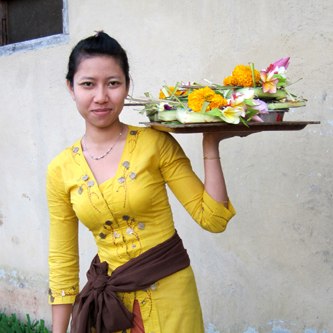
Our Handmade Silver is produced on the tropical island of Bali. Bali is a small island nestled in the Indonesian archipelago, which stretches from Singapore to Australia. It enjoys a well deserved reputation as one of the most beautiful spots on earth. The people of Bali live and work in a setting of terraced rice fields, volcanoes and lush tropical growth. From intricate palm leaf offerings, to ornately carved temple walls, they festoon their island with art that is worthy of the landscape.
The Balinese practice their own form of Hinduism, which is an integral part of daily life, and many of their artistic traditions have developed in relation to their faith. In recent decades, however, they have adjusted to the demands of a global economy by using their love of art to fuel a thriving export industry. They produce a wide array of handicrafts that include textiles, wood carving and Bali silver jewelry. Read More