
If you've been watching silver prices with growing alarm, you're not imagining things. What's happening right now is historic. In January Silver has climbed to over $110 per ounce, shattering all previous records and marking the metal's best performance since 1979.
To put that in perspective: if you bought silver at the beginning of 2025, it would have more than tripled in value by January 2026. For those of us who make our living working with this beautiful metal, these aren't just numbers on a screen, they directly impact every piece we produce and every price list we publish.
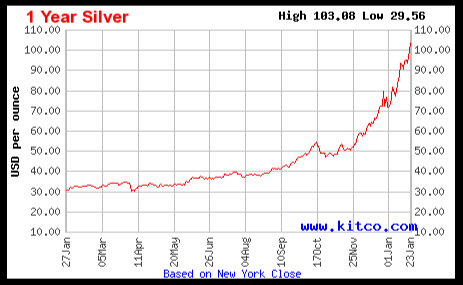
This isn't a temporary spike or market speculation run amok. We're witnessing a fundamental transformation in how silver functions in the global economy, driven by several powerful forces converging at once:
We know you're facing the same difficult conversations with your customers that we're having with you. Your clients see the price increases and wonder why their favorite pieces cost more. Here's what we want you to be able to tell them - and what we're committed to as your partner:
This is a market-wide phenomenon. Every jewelry maker, every metals supplier, every designer working in silver is navigating the same reality. Our price increases directly reflect our increased costs, we're not padding margins or taking advantage of market conditions.
Quality remains non-negotiable. We know the temptation during times like these is to cut corners, reduce silver content, or compromise on craftsmanship. We won't do it. Every piece that leaves our workshop maintains the same standards that built Nina Designs' reputation.
We're absorbing what we can. With four increases in 2025, you might wonder why we can't just hold prices steady. The truth is, we've been absorbing portions of the cost increases at each step, adjusting our own margins to minimize the impact on you. But silver's rise has been so dramatic that we've reached the point where we must pass along more of these costs to remain sustainable.
Here's where we need to be completely transparent with you: we expect silver prices to continue their steep rise into 2026. The fundamental drivers, the supply deficit, industrial demand from solar and AI, strategic stockpiling, aren't going away. If anything, they're intensifying.
In short, silver is reclaiming its historical place as a truly precious metal.
That said, silver is known for its volatility. There's always the possibility of an abrupt correction if investment sentiment shifts rapidly or if industrial demand softens. We can't predict exactly when or if that will happen, but we can tell you what we're watching and how we're planning.
As you navigate these conversations with your own customers, we hope you'll help them understand what's happening in the broader silver market. The more educated everyone is about these unprecedented conditions, the better we can all weather this together.
When your customers question price increases, you can explain that this isn't about any single company's decisions, it's about a global transformation in silver's role in the modern economy. The same metal that makes beautiful jewelry is now essential to the solar panels powering homes, the electric vehicles on the road, and the data centers enabling technological advancement.
Despite the challenges, we remain committed to the same principles that have guided Nina Designs from the beginning:
We don't know exactly what 2026 will bring, but we know we're navigating it together. Thank you for your partnership, your understanding, and your continued trust in Nina Designs.
Have questions or want to discuss inventory planning for 2026? Contact us at nina@ninadesigns.com. We're here to help you navigate these unprecedented market conditions.
Last Updated: January 2026